
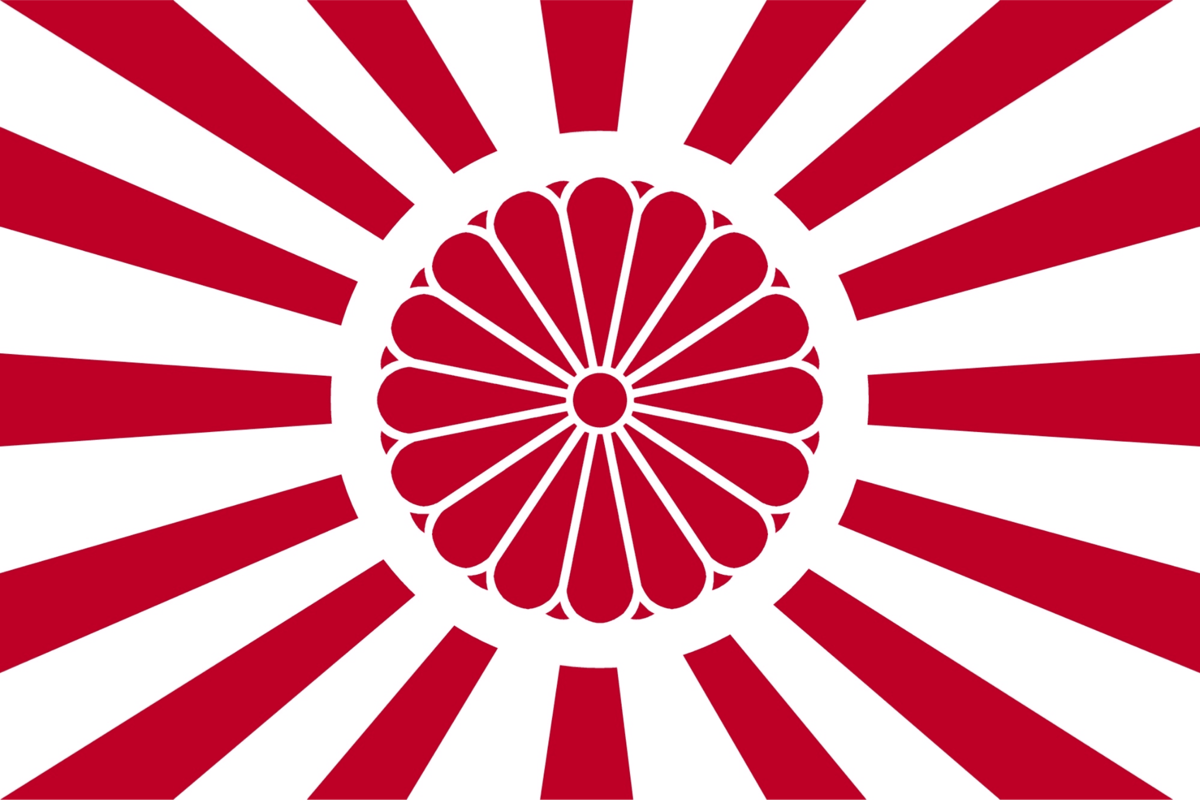
The Tsukumo Group (九十九財閥, Tsukumo Zaibatsu) is a Nichirian multinational conglomerate. Jūzaburō Yasuda founded the company on September 19, 1870, initially operating as a small iron foundry during Nichirin's early years of rapid modernization. The company’s name references its founding date, the nineteenth day of the ninth month.
Tsukumo established its foundation in metallurgy and heavy machinery during the 1870s and 1880s, capitalizing on government contracts for the construction of the Trans-Nichirian railway and the modernization of the Shogunate Armed Forces, before aggressively expanding into shipbuilding during the 1890s. By the turn of the century, Tsukumo had vertically integrated its operations, controlling everything from coal mines and steel mills to shipping lines and financial services. The company played a crucial role in Nichirin's colonial ventures into Pelagonia, establishing mining operations in Shin-Nichirin and plantation agriculture in Kiritani.
During the Great War, Tsukumo's production capacity proved vital to the Entente war effort, manufacturing dreadnought battleships, artillery, and industrial chemicals. Post-war expansion saw the zaibatsu diversify into emerging sectors, including automotive components and petroleum distribution, while establishing a significant international presence in the nations of the Mizuhara Pentapartite. The conglomerate's shipyards and steel complexes employ tens of thousands and dominate the industrial waterfront of Shinkeisei Harbor.
As of 1930, Tsukumo operates across 13 major industrial sectors with 287,000 employees worldwide and an annual revenue of $87.5 billion, making it among the highest-grossing conglomerates worldwide. The zaibatsu remains under the control of the Yasuda family, with founder Jūzaburō Yasuda serving as Executive Chairman and his eldest son Tetsuya Yasuda as President and CEO.