
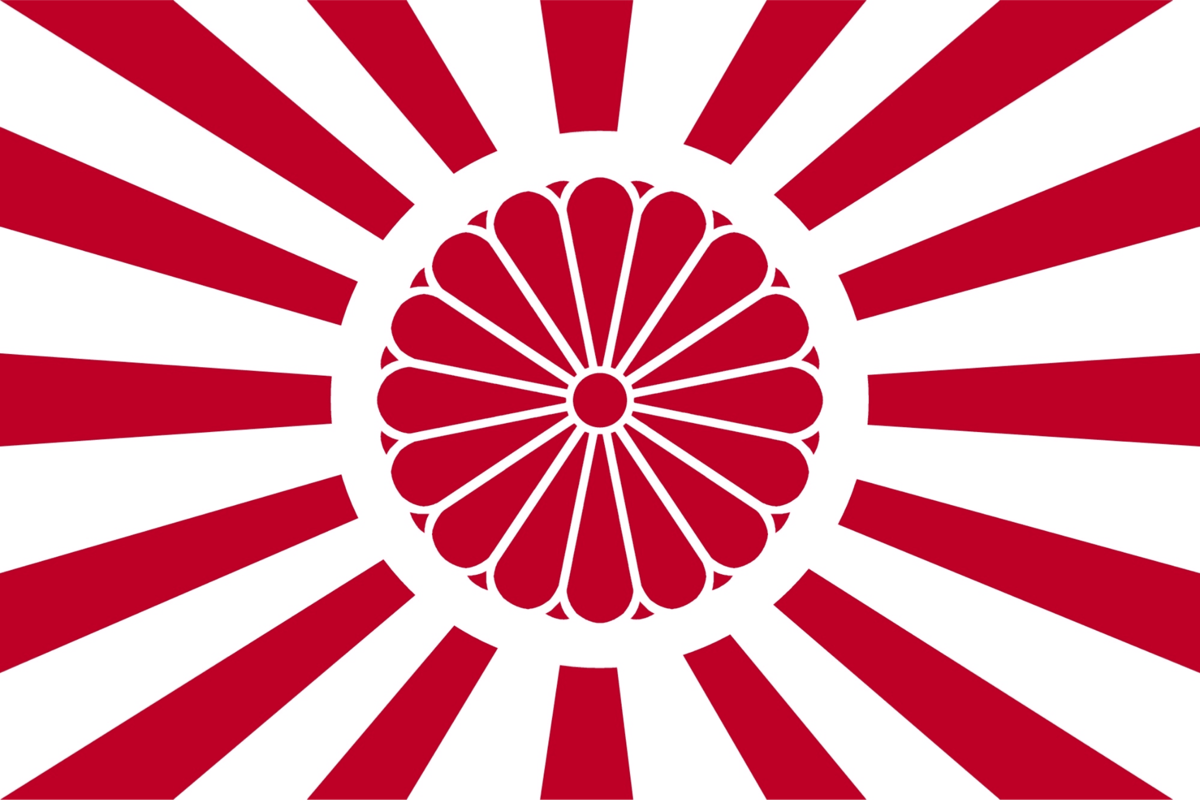
Masashi Miyamoto (宮本 正志; born June 6, 1896) is the 14th Shogun of Nichirin, having assumed power on October 1, 1923, following his father Masanori Miyamoto's debilitating illness. At twenty-seven, he became one of the youngest leaders in Nichirian history, inheriting a government marked by significant factional tension and assuming office in the aftermath of Keiko Miyamoto’s murder, a crime for which Foreign Minister Yuriko Okamura was convicted and executed by Shogunal order in December 1924. He is notable for his departure from his father's hardline policies, most significantly his initiation of the Tōhara Conference of March 1926, which normalized relations with Guandong following the Great War despite substantial internal opposition. He has governed without an immediate family since taking office, appointing advisors on the basis of demonstrated competence rather than factional affiliation, and is characterized by those within his administration as a leader who asks careful questions and delegates accordingly.
Early Life and Education
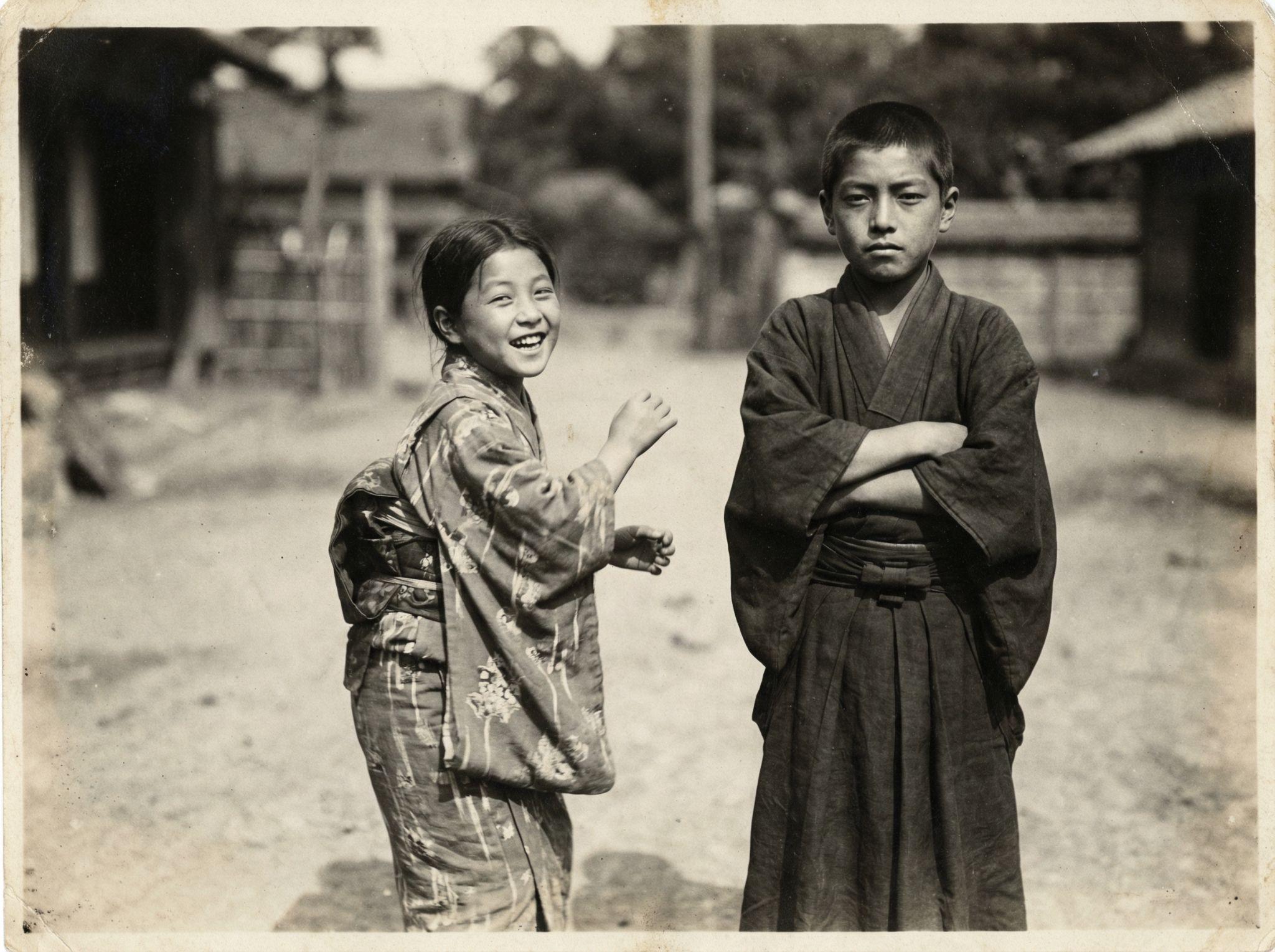
Masashi Miyamoto was born on June 6, 1896, at Shinkeisei Central Hospital in Mukōjima, Shinkeisei, the son of Shogun Masanori Miyamoto and his midaidokoro, Rie Takatsukasa. His sister, Keiko, was born in 1898, two years later. Despite his heritage, Masanori enrolled both children in ordinary schools in Shinkeisei rather than arranging private instruction, a decision that was unusual for a Shogunal household and whose reasoning Masanori never publicly disclosed.
Among his classmates, Masashi was largely isolated as his peers were aware of his lineage and kept their distance accordingly. Keiko, two years his junior and subject to the same circumstances, became his closest companion throughout childhood and early adolescence, a closeness shaped in part by their shared position.
In 1910, Takatsukasa died of parathyroid cancer, leaving Masanori as the sole guardian of both children when Masashi was fourteen. Masanori did not substantially fill the domestic role his wife had held. The household continued to function under caretakers, but accounts from the period suggest Masashi and Keiko became more dependent on each other in the years following their mother's death.
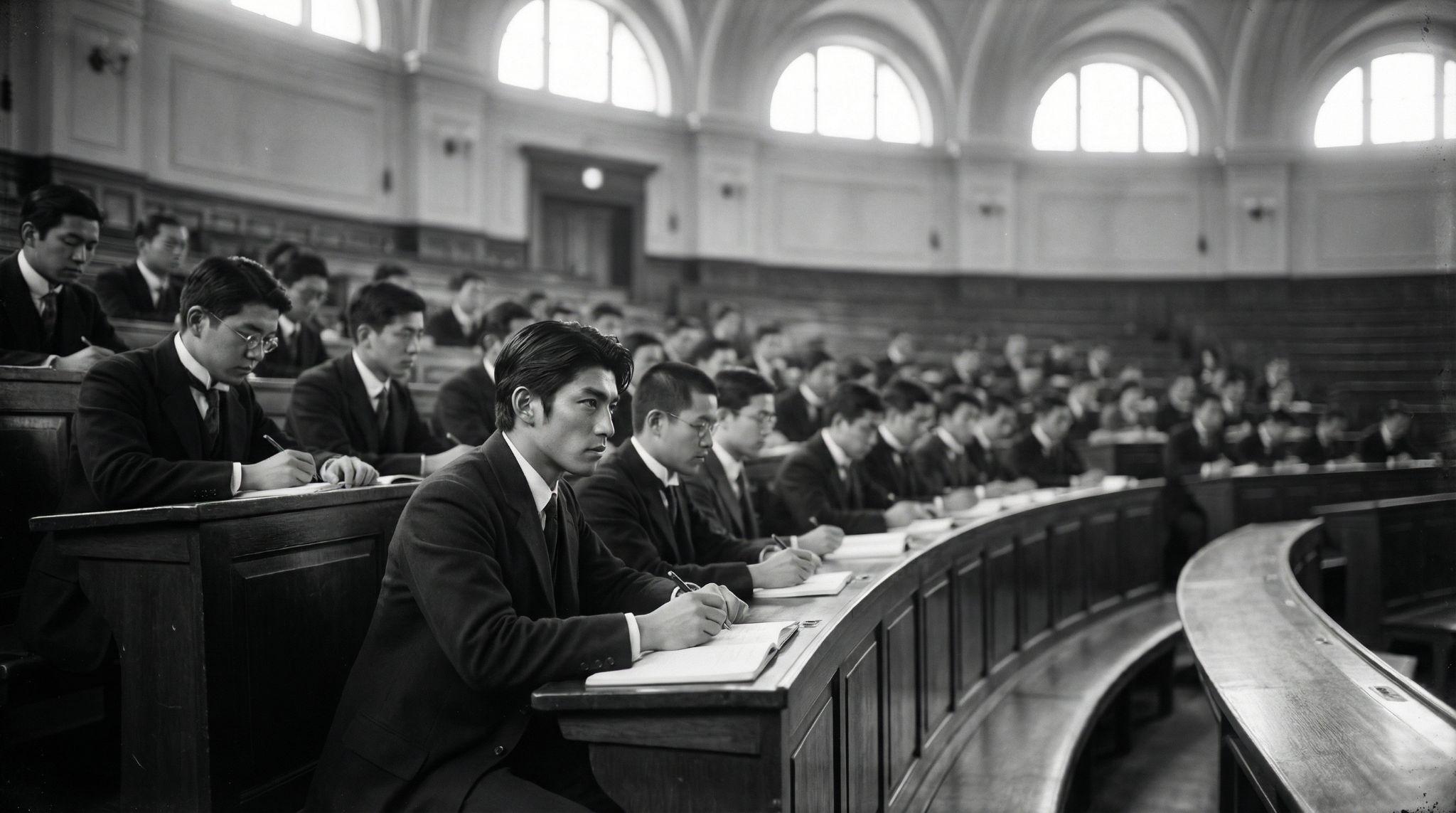
Masashi was accepted into Takarazuka Imperial University in 1914, studying political science. His years at Takarazuka coincided with the entirety of the Great War, during which Nichirin mobilized significant military and economic resources. As heir apparent-designate, he was kept from active service, a decision consistent with Masanori's approach to succession, though it distinguished Masashi from much of the generation surrounding him.
Keiko, by contrast, was dispatched to the front in a supervisory capacity, an arrangement she reportedly strenuously objected to. The separation and the asymmetry of their wartime experiences introduced significant strain into their relationship. Masashi graduated in 1918 with a Bachelor of Science in Political Science as the war drew to a conclusion.
He was declared heir apparent on March 12, 1919, following his graduation. Shortly thereafter, he enrolled at the National War College and completed a Master of Strategic Studies in 1922. It was during this period, after his graduation, that he began substantive engagement with his father's government, observing Masanori's administration from the inside for the first time. This apprenticeship lasted approximately one year before Masanori's health began to deteriorate.
Rise to Power
On September 22, 1923, Masanori Miyamoto became bedridden due to complications from an undisclosed illness, leaving the government without an active head of state. An emergency assembly was convened on October 1, during which Masashi asserted his right to the regency as heir apparent. The session became contentious. Minister of Foreign Affairs Yuriko Okamura challenged his claim before the assembly, arguing that the exigencies of governance required action beyond hereditary entitlement, and proposed herself as an alternative steward. Keiko, present at the assembly, separately proposed shared oversight between herself and Masashi, citing petitions from prefectural governors concerned about unilateral action. Masashi rejected both positions and demanded that the assembly confirm him outright. The session ended without formal resolution, though Masashi assumed effective authority that evening.
The following day, Okamura transmitted telegrams to the prefectural governors of Nichirin, proposing provisional governance independent of the Shogunal line while Masanori remained incapacitated. The proposal was rejected by the overwhelming majority of Nichirian prefectures, and Okamura's attempt to build a political base outside Shinkeisei failed to gain traction beyond a handful of governors in the Sangai region. Masashi was recognized as Shogun across the remainder of the country at twenty-seven years old.
The Night of Falling Stars
On March 4, 1924, while Masashi was attending the Second Tripartite Conference in Veynach, Arlbern, Keiko launched a military coup against his government, later nicknamed the Night of Falling Stars (星降る夜). Working with Commander Hozumi Yagura of the Imperial Guard, she ordered the seizure of all major communication hubs in Shinkeisei at 2100 hours, followed by the storming of government buildings across the capital. The Ministry of Defense, the Treasury, and most administrative buildings fell within hours. Several key officials escaped in the chaos, including Okamura, and gunfire at the Ministry of Foreign Affairs during the initial assault alerted nearby residential districts before the communications blackout was complete.
Keiko's proclamation broadcast, transmitted from the seized government radio station, was technically compromised and repeatedly interrupted. Before it could be stabilized, Marshal-Admiral Suiren Makinami, who had declared naval neutrality in any succession dispute, broadcast Masashi's response from Arlbern on a counter-signal, breaking the blackout and declaring the navy's support for the rightful Shogun. Advance units of the Army of the Haguregumo reached Shinkeisei within hours. Keiko's forces, outnumbered and with half her soldiers deserting, had no viable defensive position.
Keiko and a small group of loyalists, including a wounded Yagura, fled south by convoy toward Sangai. The convoy was ambushed near Kagamidaira by a detachment of the Army of the Matsuhana. Keiko escaped on foot, swam the Haguregumo River with her remaining loyalists, and reached the southern bank, where Okamura's forces were waiting. Okamura shot Keiko at the riverbank while Yagura and the remaining loyalists were executed.
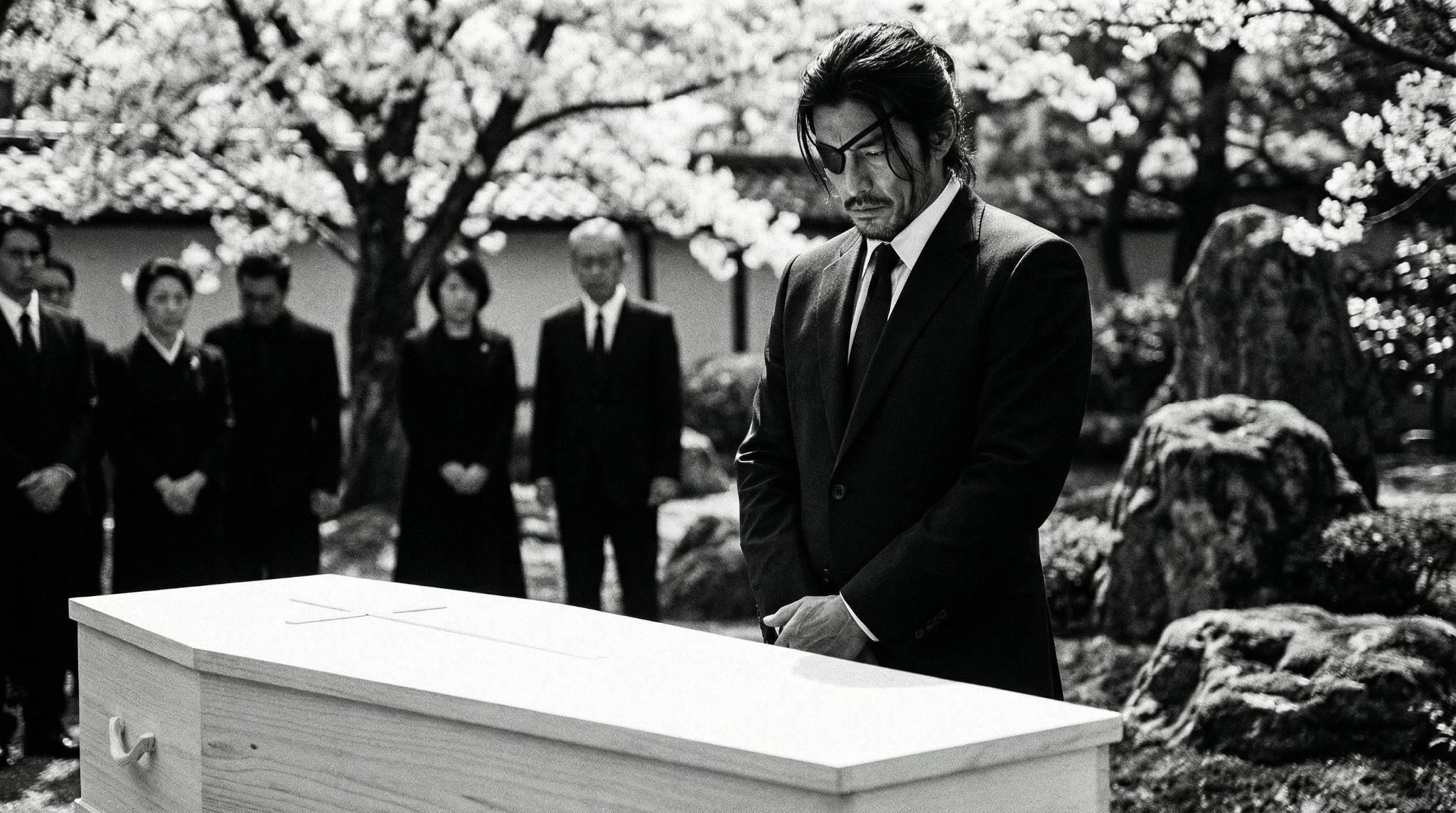
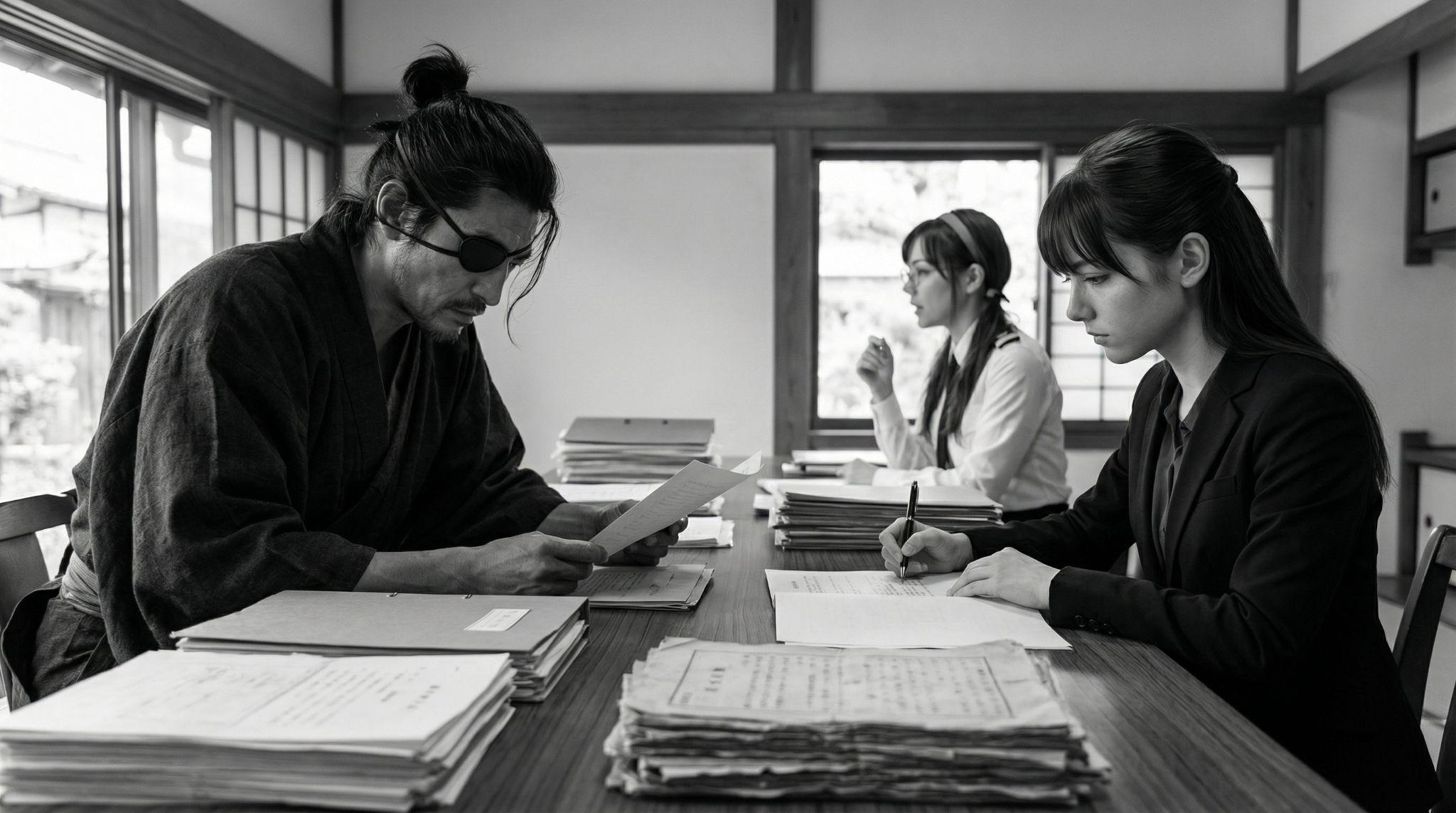
Masashi returned from Arlbern on March 6, 1924, learning of Keiko’s death. His own convoy traveled to the southern bank of the Haguregumo River to retrieve Keiko's body while Okamura was present at the site with her forces. The exchange that followed ended when Okamura drew her sidearm and fired at Masashi at close range, striking him in the right eye. Makinami extracted him under fire as Okamura's forces engaged the Shogun's guard. Masashi survived while Okamura retreated into Sangai. He lost the use of his right eye as a result of the wound and has worn a prosthetic covering since his recovery.
Sangai Operation and Trial of Okamura
Masanori Miyamoto died on November 23, 1924, after fourteen months of incapacitation. The following day, Masashi issued orders through secure channels to General Mayu Kitta, Marshal-Admiral Makinami, and General Semen Voronovkin of the Ishiskian White Army in exile, directing a coordinated encirclement of Sangai's major cities. Voronovkin's participation was secured through a promise of Shogunal material support for continued White Army operations against communist forces in Ishiski. The order specified that no engagement was to occur without direct Shogunal authorization.
Intelligence operatives intercepted correspondence indicating that Okamura was in Shichidaika, where surveillance confirmed she had arrived for a scheduled meeting. Kitta encircled the town hall with two hundred soldiers as Okamura barricaded herself inside with forty elite guards and refused immediate surrender. A firefight followed in which approximately forty of Kitta’s soldiers were killed or wounded before Kitta offered reduced charges for Okamura's guards in exchange for her surrender. She accepted, ordered her guards to stand down, and was taken into custody.
The trial of Yuriko Okamura opened on December 10, 1924, in the Grand Hall of the Palace of the Solar Halo with Kitta as prosecutor. Okamura declined defense counsel and spoke in her own defense, acknowledging the execution of Keiko as a lawful response to treason and characterizing the shooting of Masashi as an act of self-defense. A witness from her own guard, Captain Isamu Anno, testified that Okamura had ordered Keiko's execution personally and had fired on Masashi directly. The tribunal acquitted Okamura on all charges, finding insufficient evidence of premeditated conspiracy.
However, Masashi overrode the judgment from the bench, declaring Okamura guilty of treason, murder, and conspiracy, and ordered her execution at dawn. She was executed by firing squad on December 11, 1924. The decision to override a tribunal acquittal by Shogunal decree was without modern precedent in Nichirian legal history and drew significant commentary from legal scholars in the years that followed. Masashi appointed Makinami as interim Minister of Foreign Affairs the same day, a position she would hold concurrently with her existing offices for the following three years.
Political Career
Normalization of Nichirin-Guandong Relations
Masashi's most significant foreign policy initiative was the normalization of Nichirin's relations with Guandong following the conclusion of the Great War. Post-war relations had remained hostile, defined by territorial disputes and the accumulated grievances of a generation of soldiers on both sides.
In March 1926, Masashi convened the Tōhara Conference, at which Nichirian and Guandongese delegations negotiated a framework for normalized relations. The conference produced agreements on mutual recognition, trade protocols, and joint border administration in the newly annexed autonomous prefectures in Eastern Manshu. The joint patrol program that followed saw Nichirian and Guandongese soldiers operating in shared border sectors for the first time, with incident rates dropping significantly within months of its implementation.
The decision was among the most contested of his tenure. Senior military figures, most prominently General Mayu Kitta, the decorated commander of the Defense of Mizuhara and one of the most publicly respected figures in Nichirian military history, opposed normalization on the grounds that it constituted a betrayal of the war's costs. Kitta's dissent was public and sustained throughout the months following the conference. Conservative factions within the government characterized Masashi's policy as dangerously idealistic, but he did not reverse course.
Assassination of Hideki Otonashi
On January 1, 1930, Chief of Staff and Senior Shogunal Advisor Hideki Otonashi was killed by sniper fire on Tenjin-dōri in Shiomachi Ward, Shinkeisei. Marshal-Admiral Makinami, walking alongside Otonashi at the time of the shooting, sustained a gunshot wound to the left shoulder and was hospitalized. A third advisor present was uninjured. Otonashi died at the scene.
Otonashi had served as Chief of Staff to the Shogun since October 1923, managing the administrative and scheduling operations of the Shogunal office throughout Masashi's tenure. In response, Masashi authorized an expanded domestic intelligence operation with the explicit mandate to identify not just the shooter, but the full chain of command behind the order. Investigations into the shooting connected it to disruptions in organized crime networks operating through Nichirian port infrastructure, which had been impacted by an earlier expansion of domestic surveillance in response to the assassination of Emilie Langley and car-bombing of George Elwood, two Elysian nationals, on Nichirian soil. No public arrests had been made as of the time of writing.
Personal Life
Masashi Miyamoto has no surviving immediate family, having governed without close family since the death of his father in November 1924, nor has he publicly designated a midaidokoro or established a formal consort arrangement. He resides at the Palace of the Solar Halo in Shiomachi, Shinkeisei.
Masashi is an accomplished cellist and pianist, having studied both instruments from childhood. He is also known to fish recreationally, a pursuit he has engaged in since adolescence.