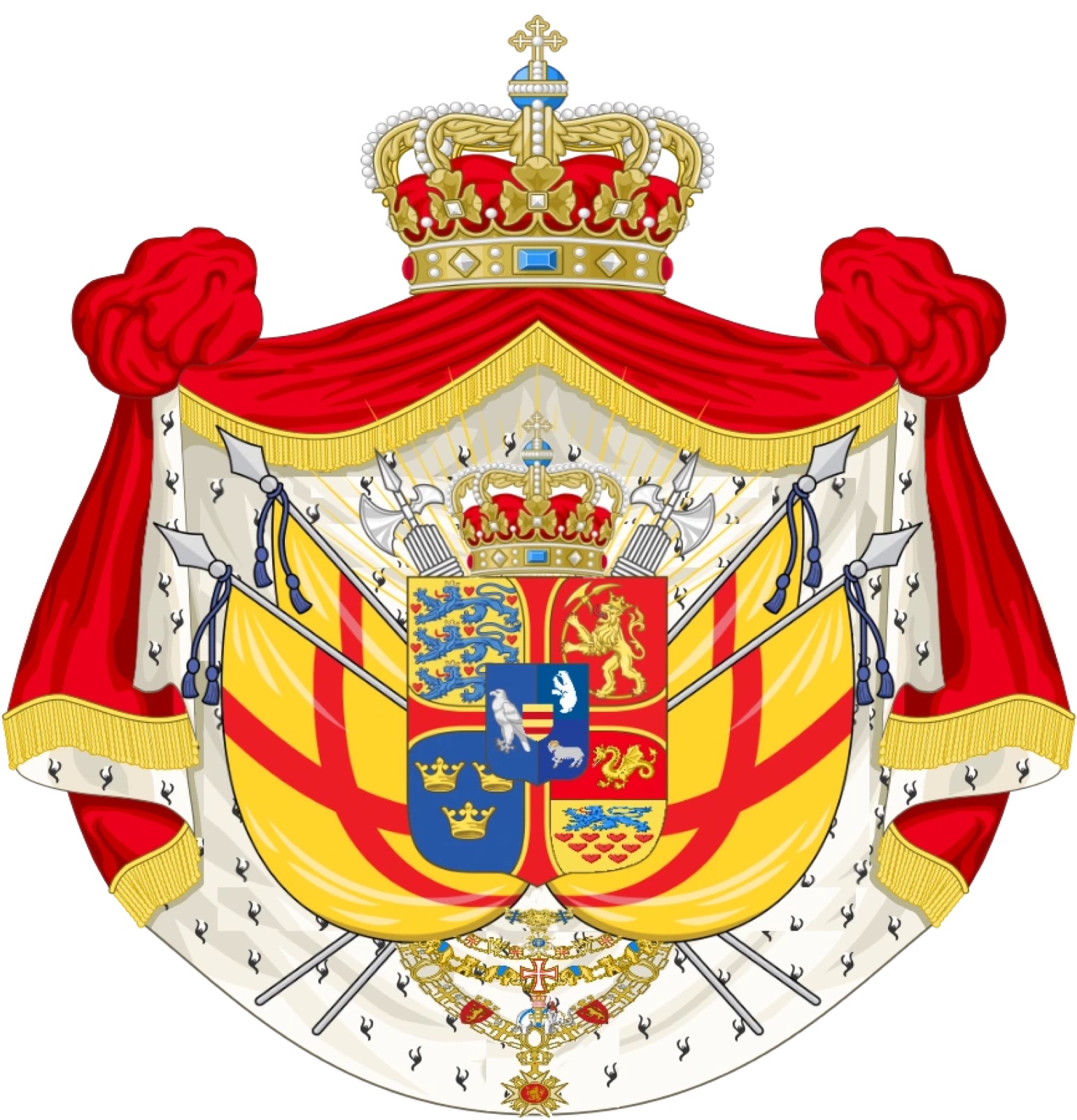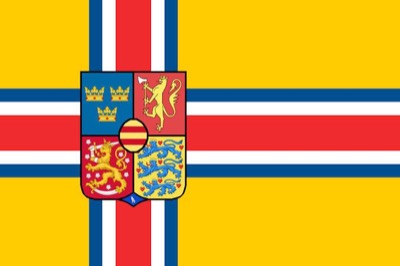
The Skjarnish Armed Forces (Skjarnish: Krigsmakten, literally the War Force) is the national armed service and military of Skjarnland. It consists of 4 service branches: the Skjarnish Army, the Skjarnish Navy, the Skjarnish Air Force and the Skjarnish National Guard. Despite the end of the Great War and Skjarnland's defeat on the Northern War, setting the country's foreign policy as a neutral and isolationist power, the nation maintains a large active military as a form of deterrence and source of national pride. The military, including the Army in particular, is an old and historically well-respected institution in Skjarnland, its traditions dating back to the formation of the Kingdom of Skjarnia in the 13th century and reaching its zenith in the 17th-18th centuries as a European great power, holding territory in Karjania and the Baltics. However, following the nation's defeat in the Great Northern War, Skjarnland gradually relinquished its role in European affairs, and is today considered a regional power. Furthermore, defeat of the military in the Great War and political upheaval during the 'Besvärlig period (troublesome period, 1918-22)' in the immediate aftermath has eroded public trust in the military, particularly among the youth.
The Armed Forces have undergone significant structural and doctrinal changes since entering the Great War in 1914. While the Army was initially successful in its offensives against an unprepared Karjania, as the war evolved into static trench warfare following the introduction of Rudanian reinforcements, the Army began to suffer high attrition from poor decision-making by the General Staff, largely populated by aristocrats lacking understanding of modern warfare, and institutional inexperience, with Skjarnland's last war being fought in 1821. However, the aftermath of the war allowed for the rise of a more talented class of officers and an urgent reorganization of the military from 1920-23 spearheaded by Defense Minister Stjernberg, including the founding of the Air Force in 1921. Today, while the Skjarnish military is not a perfect meritocracy, organizational restructuring and lessons written in blood during the war have allowed it to become a more formidable and competent fighting force, supplemented by a domestically-grown defense industry that rose as a result of the country's desire to be independent of foreign influence. Today, the Skjarnish Armed Forces' primary mission is home defense and deterrence against foreign aggression, in line with the country's neutral foreign policy.
Service branches
Army
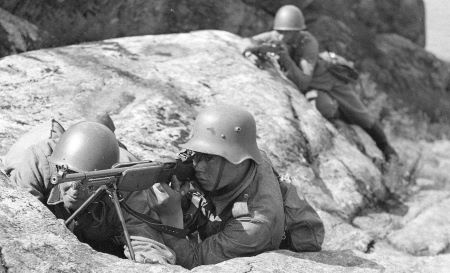
The Skjarnish Army (Skjarnish: Armén) is the largest and oldest branch of Skjarnland's Armed Forces, founded in 1204 after the formation of the Kingdom of Skjarnland. Headed by General Erik Wilhelm Sjöberg, who serves as Marshall of the Army (Skjarnish: Marskalk av Armén), it is responsible for ground operations, including territorial defense and overseas operations.
As of 1928, the Army fields approximately 300,000 active personnel and 30 divisions split into 4 armies deployed across the nation: the 1st Army in Norrvynia, headquartered in Nidaros; the 2nd Army in Skjarnland Proper, headquartered in Strålholm; the 3rd Army in Danyria, headquartered in Hävnia; and the 4th Army around the Karjanian Frontier, headquartered in Sadet. The Army has seen the greatest demobilization since the Great War, being reduced from more than 1.2 million men in 1918 to just 300,000 in 1928, reflecting the government's retreat into neutrality, focus on civilian priorities and evolving military doctrine.
The Skjarnish Army's doctrine is primarily defensive. Against a more powerful enemy force, the 1925 Army Doctrinal Revision emphasizes an organized, mobile retreat into more defensible positions (relying on the country's harsh terrain and weather, especially in the north, and pre-built defensive lines) while a rearguard conducts a fighting retreat against enemy forces. For example, in case of an enemy invasion of Danyria, the Army is expected to conduct a fighting retreat to Sjaelland and the surrounding islands and sever the bridge connection to the Jylland peninsula while rearguards delay an enemy advance. Army doctrine also emphasizes localized counterattacks meant to disrupt enemy supply lines or inflict heavy casualties in case of an invasion or offensive, thereby buying the main force more time. Further north, the Skjarnish Army relies on the heavily-fortified Bergendorff Line in case of an enemy offensive from Karjania (drawing on experience fighting Karjanian and Vostokiyan forces in the Great War).
Navy
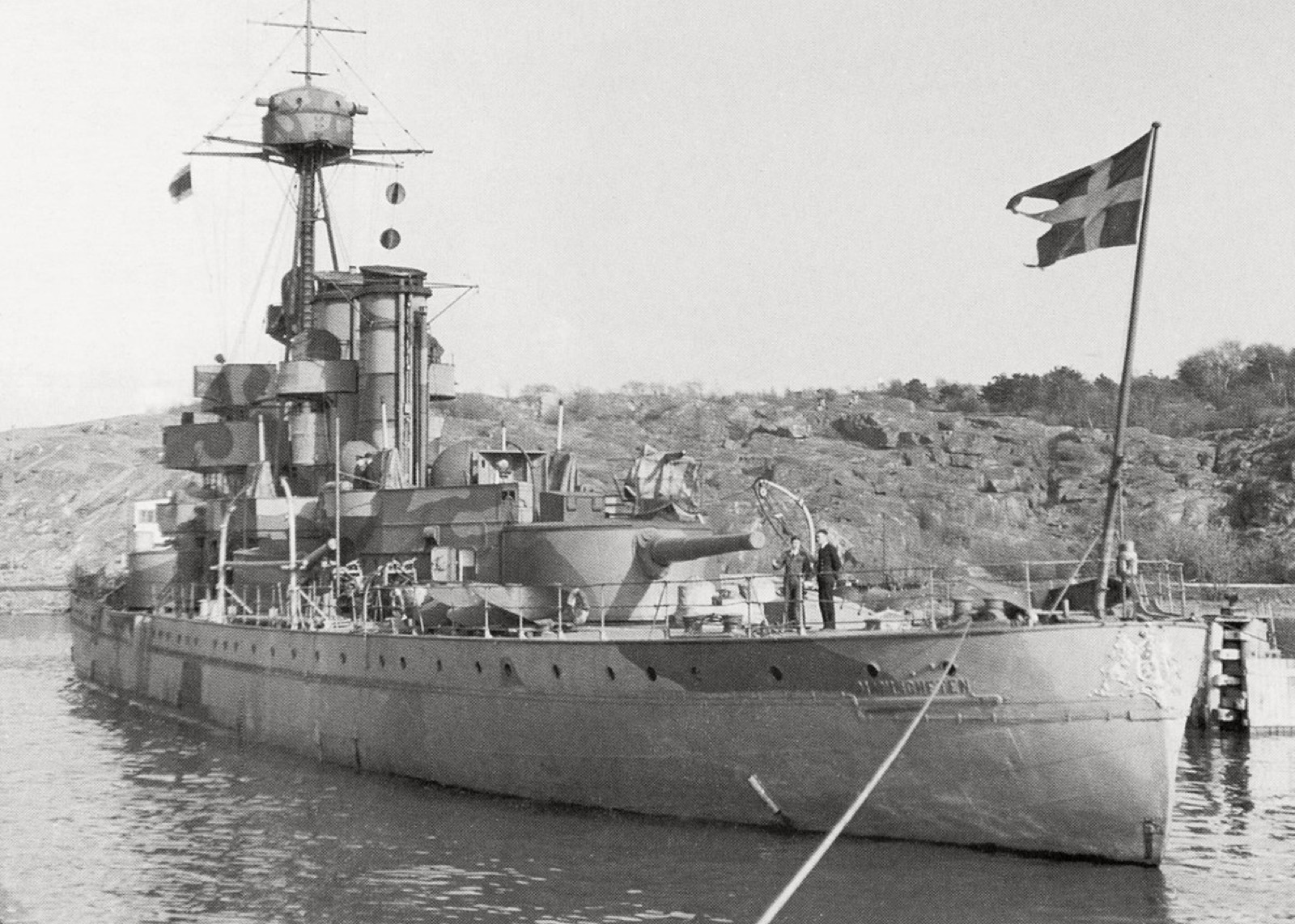
The Skjarnish Navy (Skjarnish: Krigsmarinen) is the second-largest and second-oldest branch of the Armed Forces. Established in 1532 by King Olaf IV, who created the institution as a distinct body of the government that controlled all naval forces possessed by the Kingdom, the Navy has a long history of engagement with rival powers throughout the 16th - 20th centuries, frequently skirmishing and engaging in major battles with Vostokiya, Nordmark and Elvester in the North and Baltic Seas.
Air Force
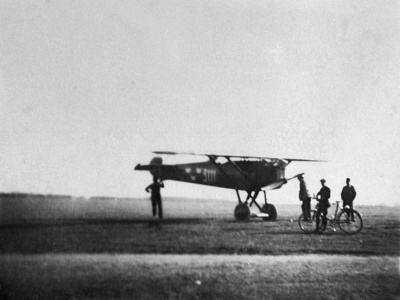
Initially formed as the Skjarnish Army Air Service (Skjarnish: Arméns Flygtjänst) in 1912 under the Army and serving in the Great War as such, the Air Force (Skjarnish: Flygflotta) was formed as a separate branch following the passing of the Armed Forces Act of 1921, coming into effect on 16 October 1921. The Air Force is responsible for aerial operations including reconnaissance (its initial role), artillery spotting, tactical superiority and air-to-air combat. The Air Force operates about ~150 fighter aircraft and ~40 tactical bombers. Having proven its worth during the Great War, in which Skjarnish aircraft played an invaluable role in reconnaissance and artillery spotting with occasional air combat, the branch has been dramatically expanded from ~30 aircraft in 1914 to ~200 in 1919, although some aircraft have been retired or sold following the end of the war. Today, the Air Force is split into 6 fighter divisions and 2 bomber divisions; the 1st, 2nd and 3rd fighter divisions operate independently and are tasked with defending Skjarnland Proper, Norrvynia and Danyria respectively, while the 4th, 5th, and 6th fighter divisions are attached to the Skjarnish Army's 2nd, 3rd and 4th armies respectively. The 1st and 2nd bomber divisions operate from Engsund Air Base near Strålholm and Antonsson Air Base near Kjellberg.
Ranks
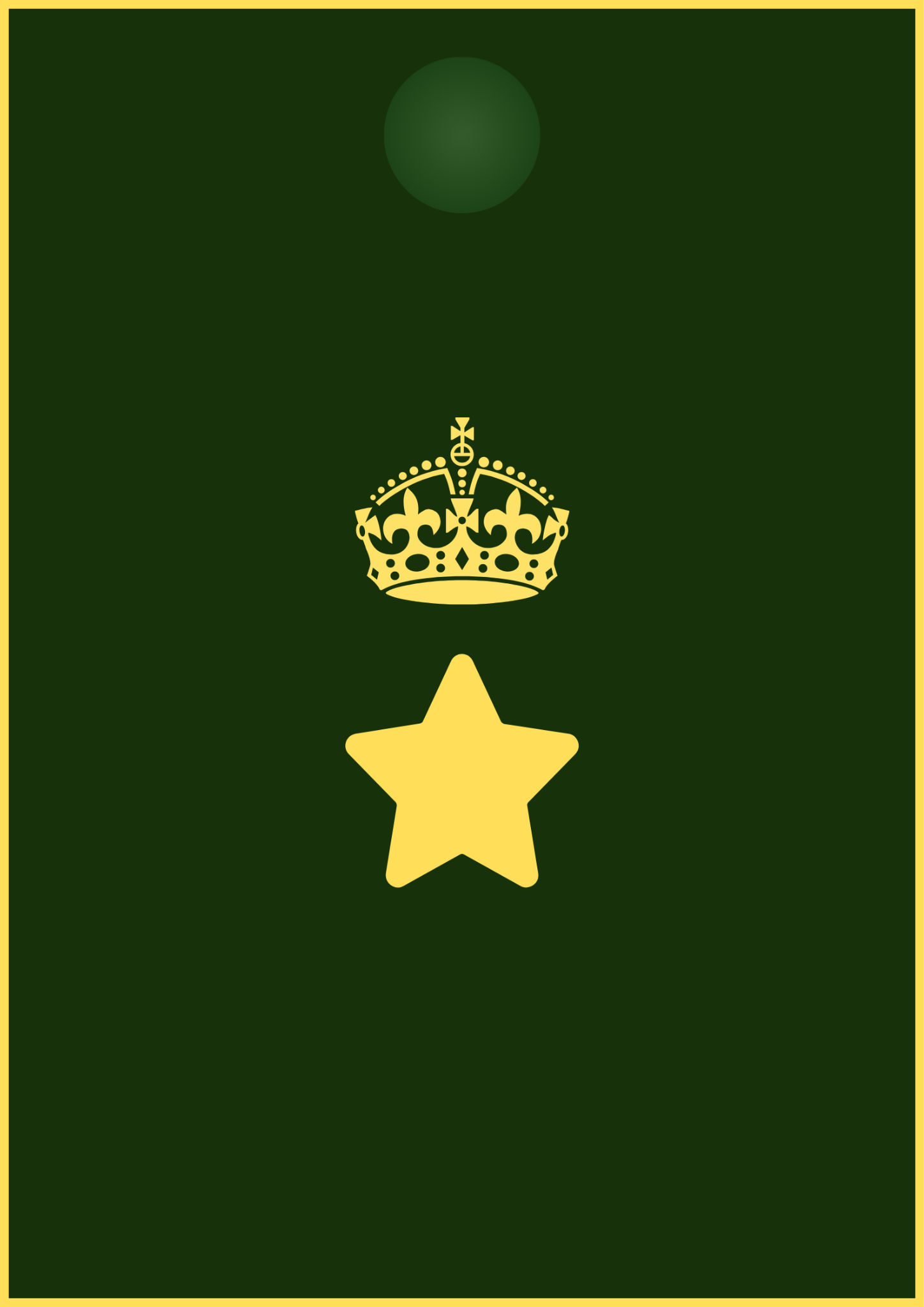
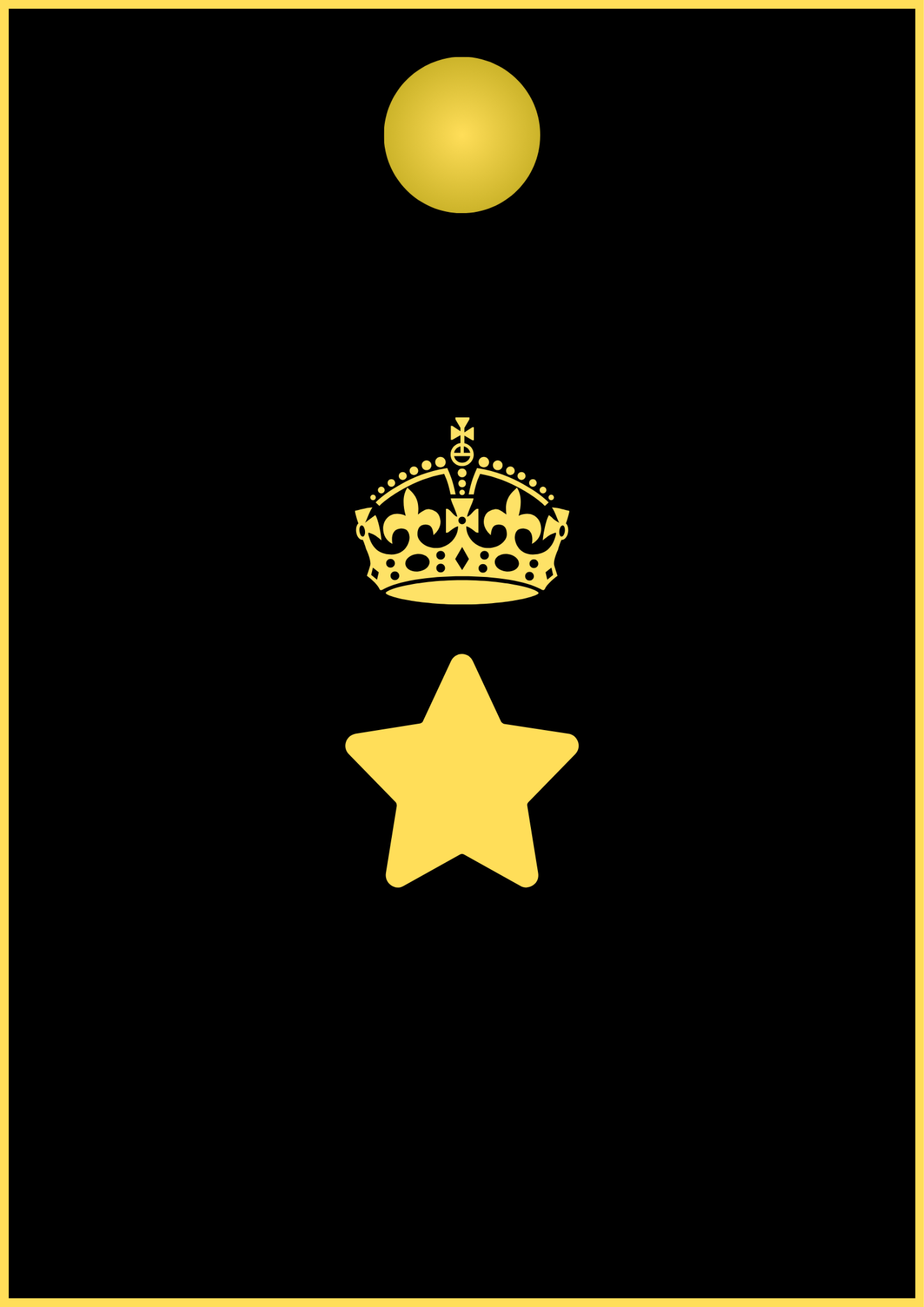
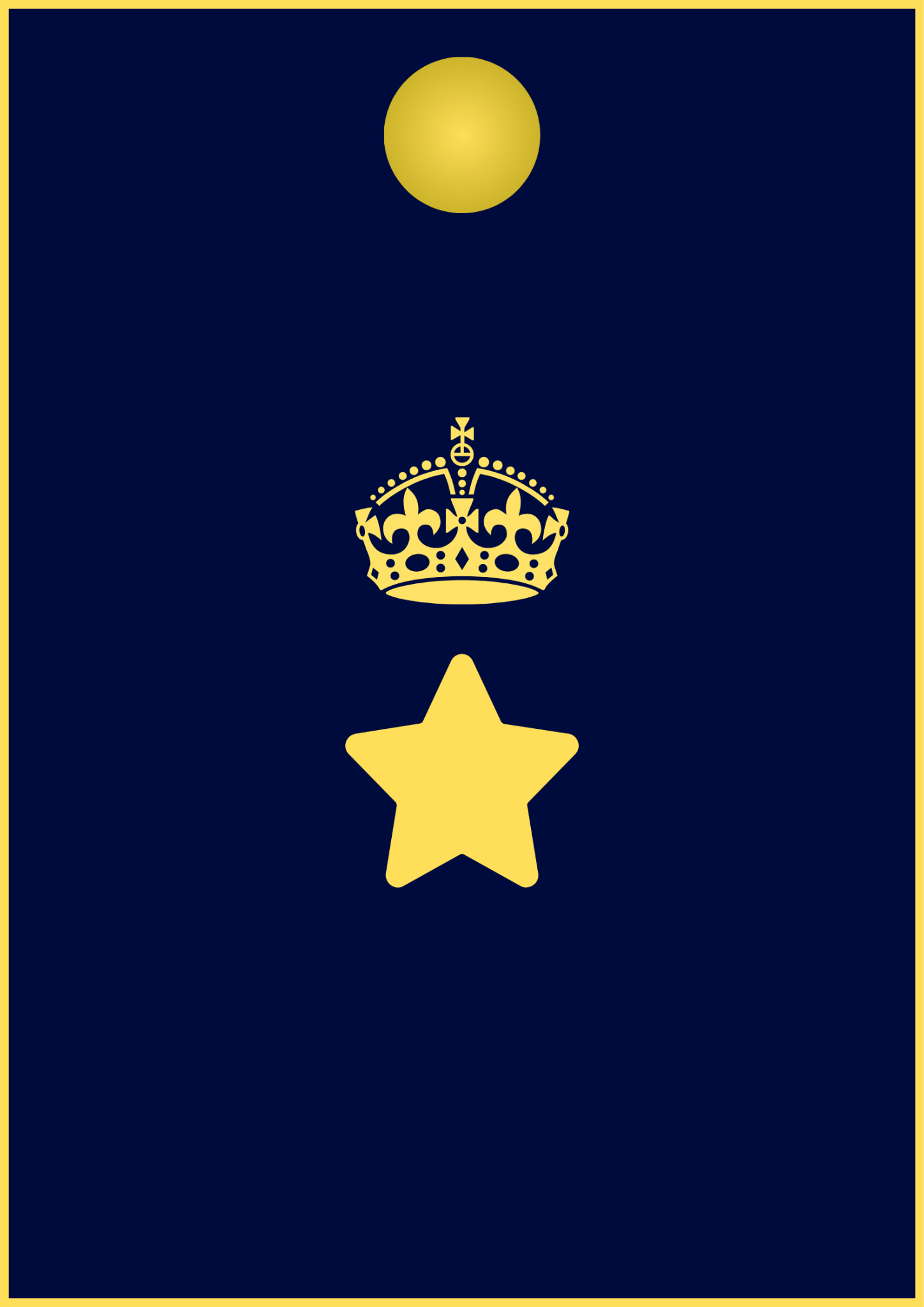
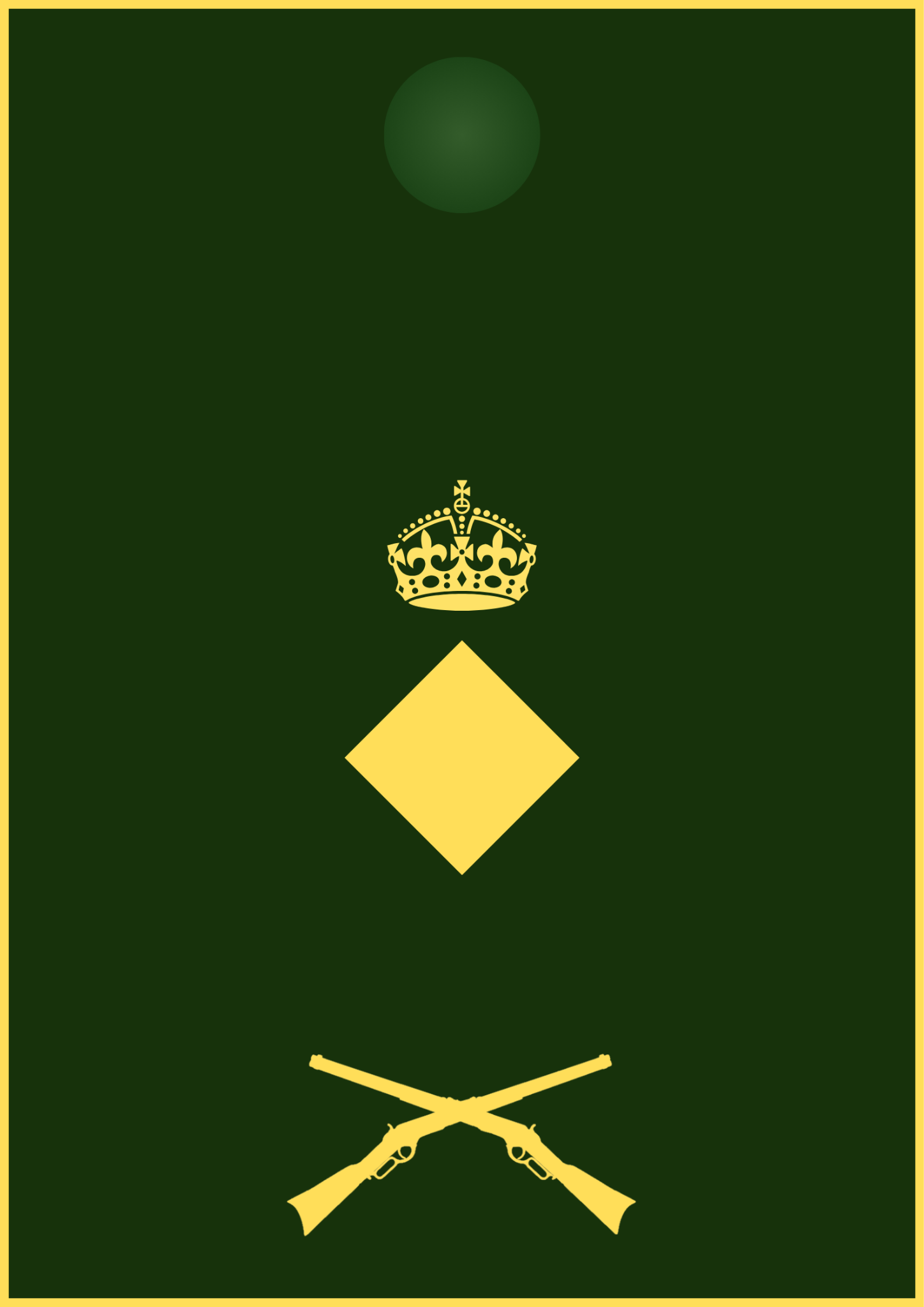
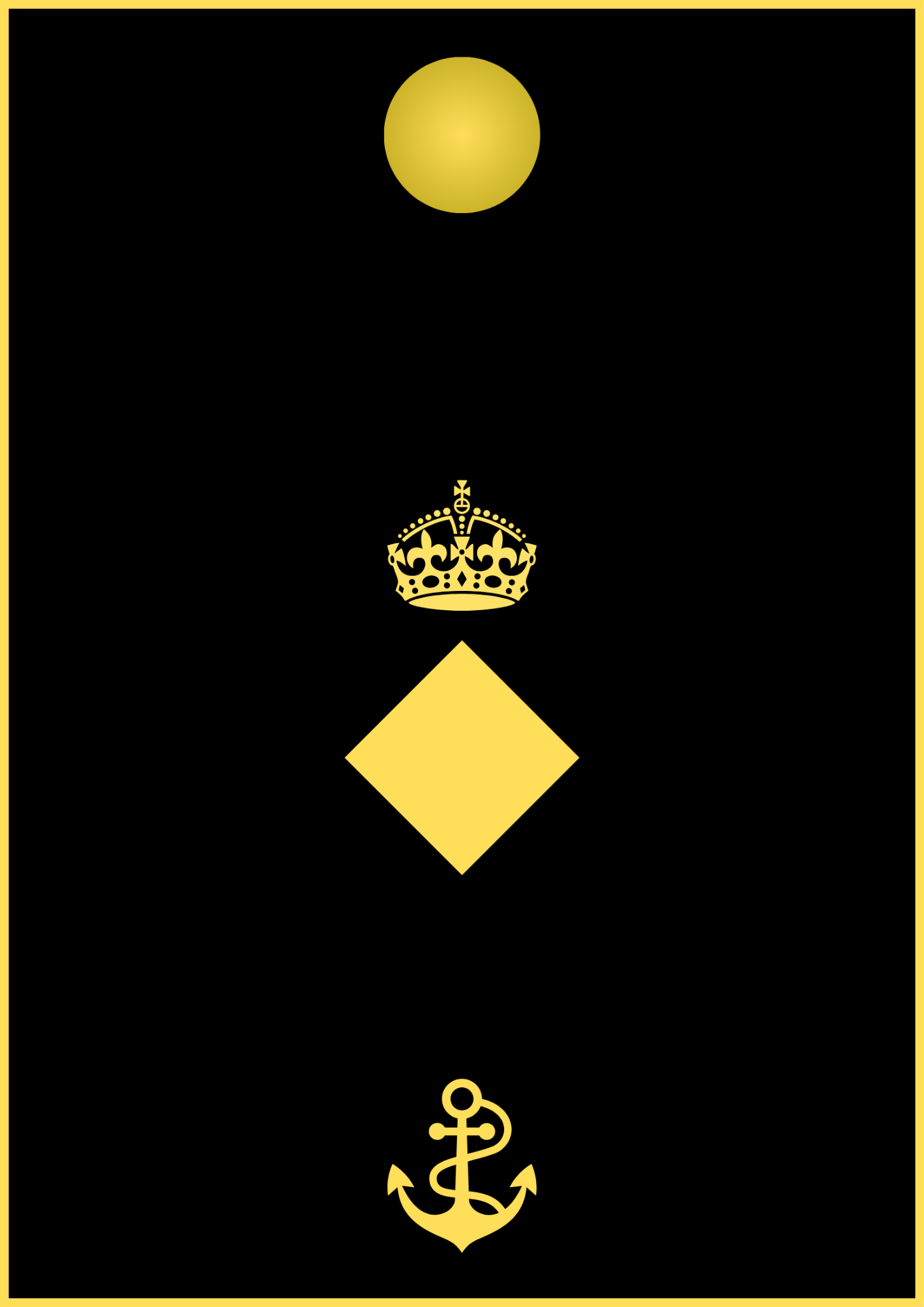
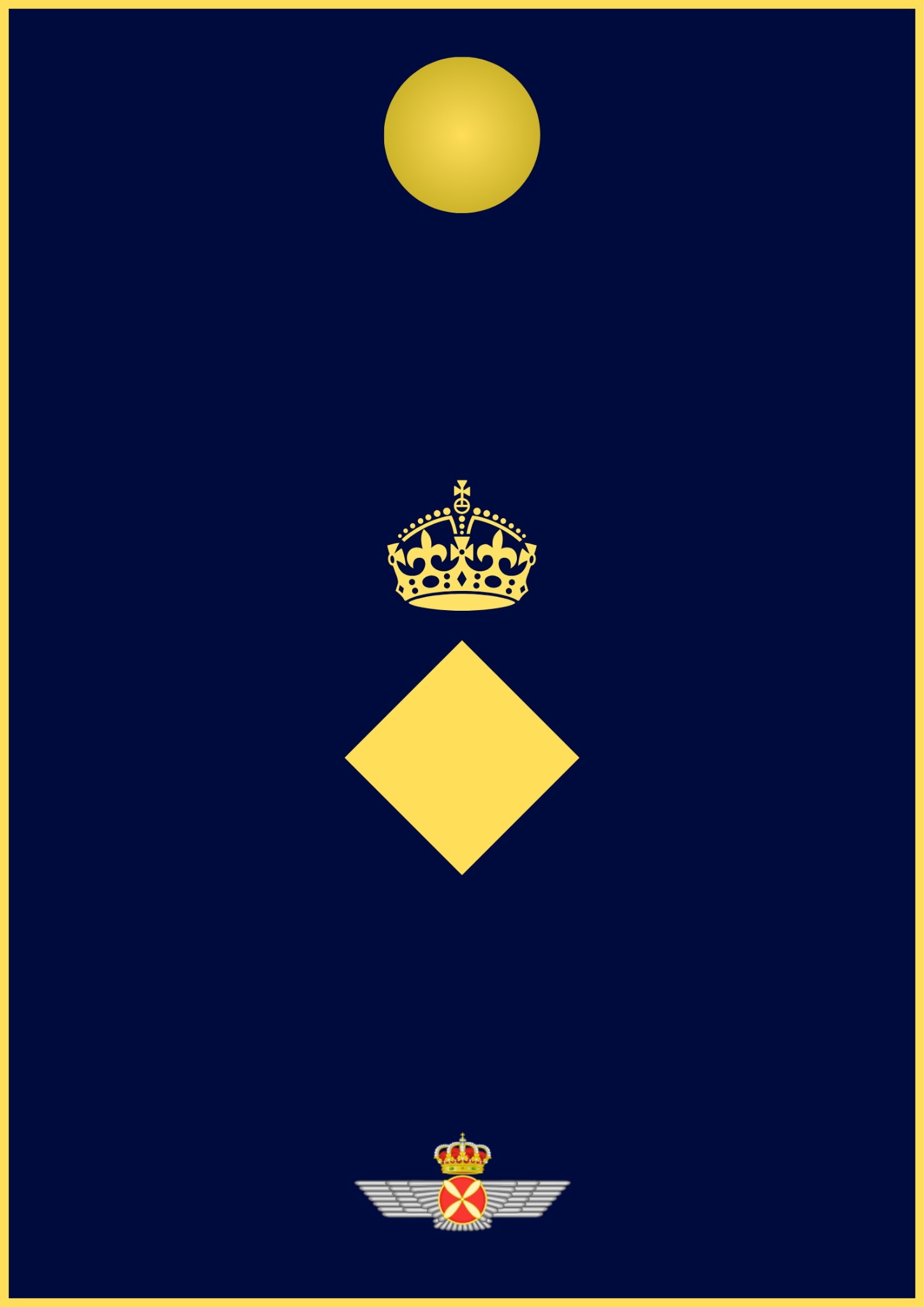
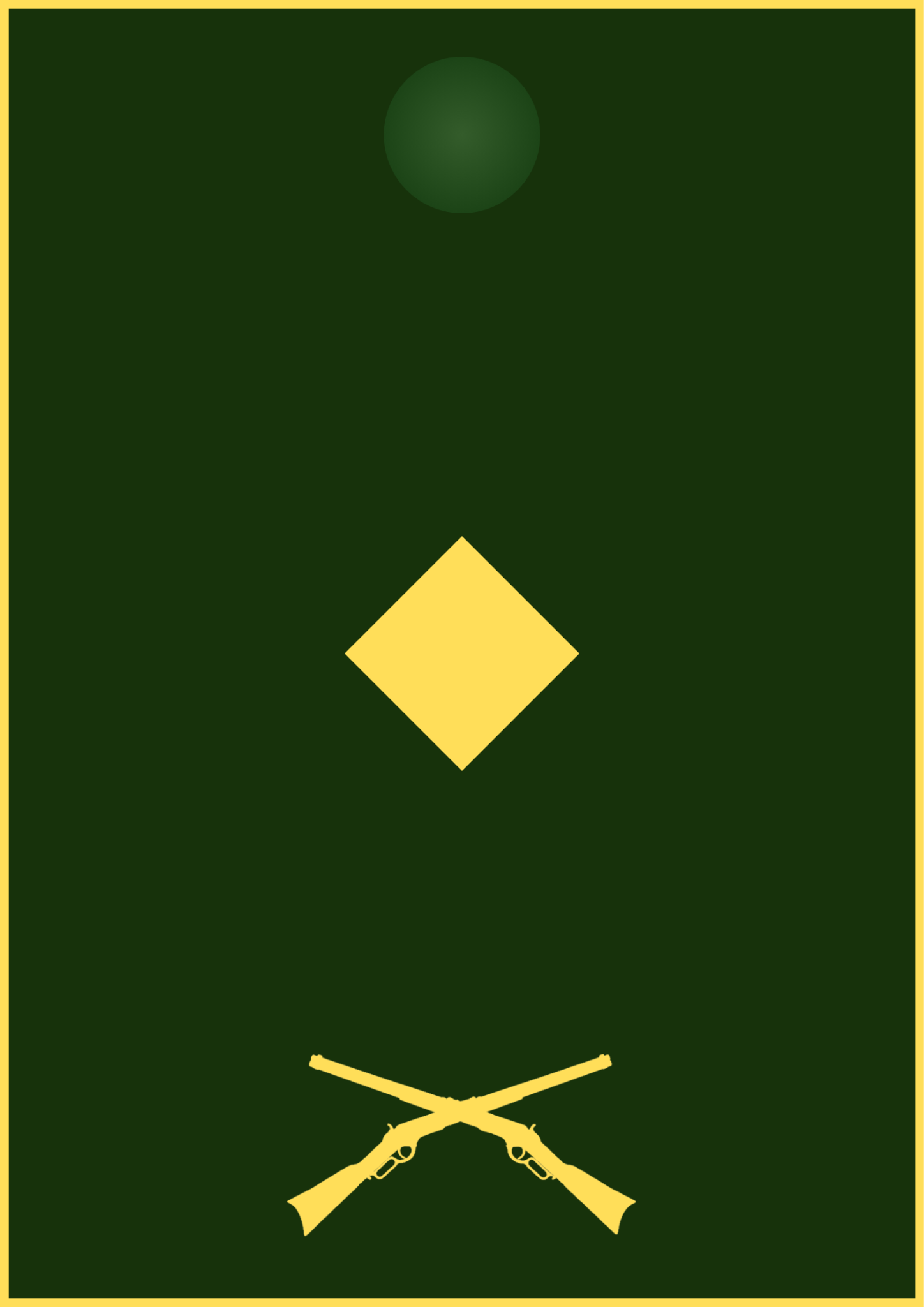
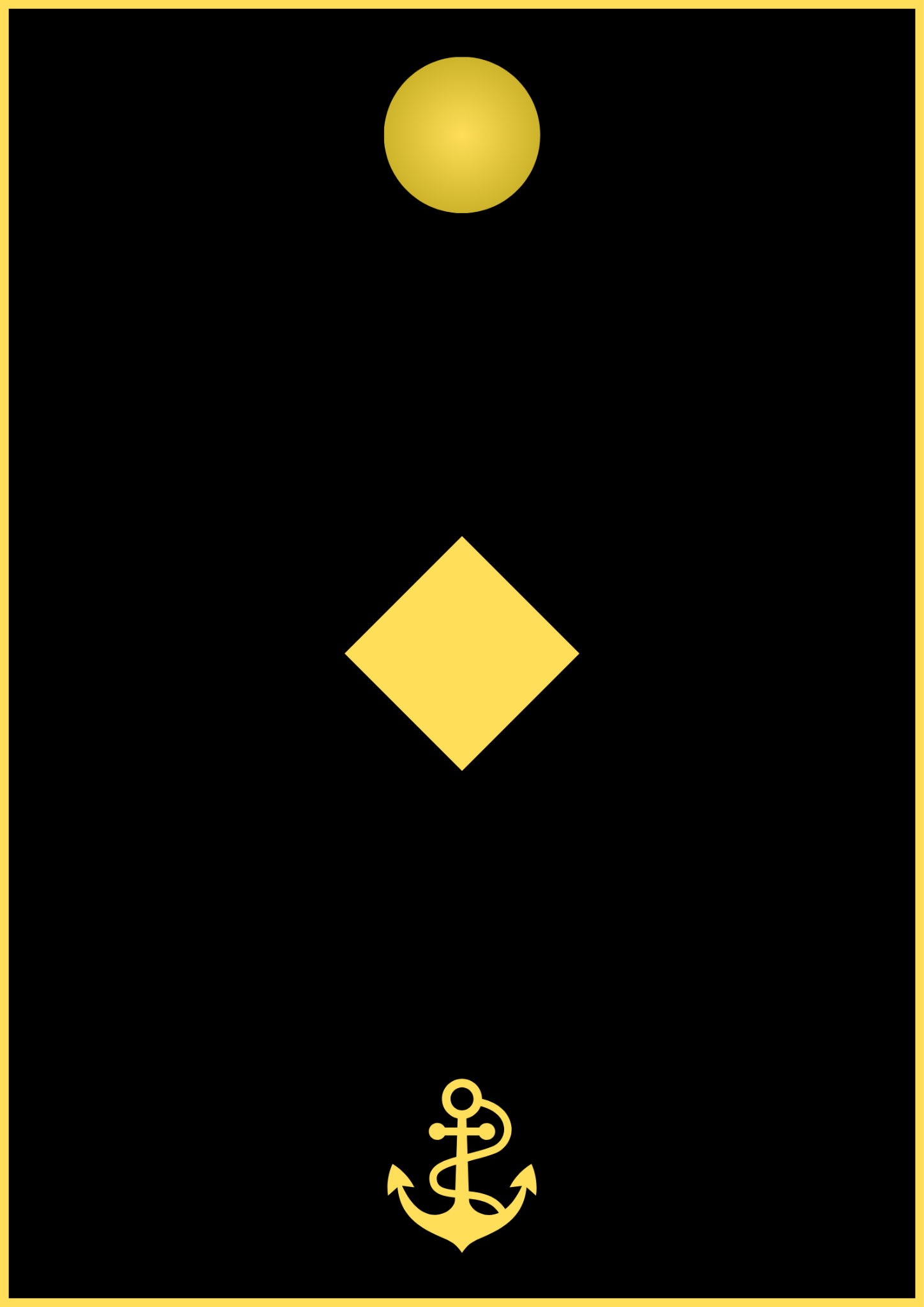
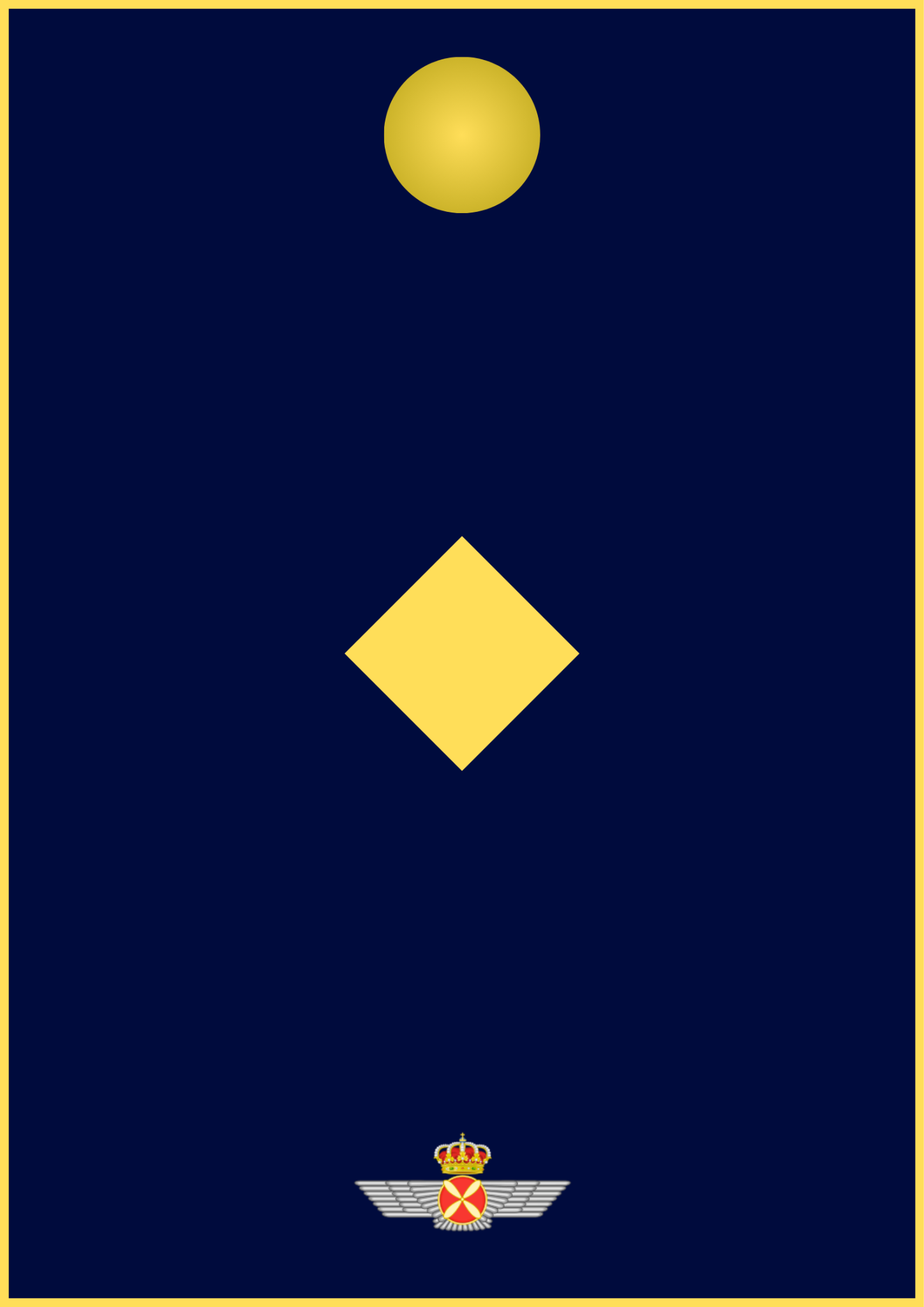
The following are a list of the ranks of each branch of the Skjarnish Armed Forces as of the latest 1922 revision, accompanied by Elvesterian translations. Note that the O-11 grade rank of each branch are only appointed during wartime when a rank equivalent to a Marshal (5-star general) of other Evrian armies is required. The last individual to hold such a rank was Henrik Malmborg, who retired in 1927.
| Pay grade | Army Armén | Navy Krigsmarinen | Air Force Flygflotta |
|---|