

Nourestan (Mehrāni: نورستان, Nūrestān; lit. Land of Light), officially the Ostān-e Nūrestān (Province of Light), is the federal capital province of the Federal Republic of Varahmehr. Located in the northwestern interior of the federation, it is the administrative and institutional heart of the republic, housing the federal government, the Majles-e Mellī, the Dīvān-e Adl, and the Tālār-e Peymān - the Hall of the Compact, which contains the original Peymān-e Mellī. Its capital, Nourabad (نورآباد, lit. City of Light), serves as both the provincial and federal capital of Varahmehr, with a population of 1.785 million, making it the third most populous city in the federation. The ostān is divided into two shahrestān-hā: Nahieh Nor, encompassing the federal capital district, and Marzān, covering the northern territory bordering Dashtestan. Nourestan occupies a position in Varahmehr’s political and cultural life that no other ostān can claim or replicate. It is the oldest seat of organized governance in the federation, home to the merchant-scholar class known as the Nouri, whose legal traditions provided the constitutional framework that enabled the Federal Compact, and the site of the federation’s most significant institutional architecture. Its plateau geography, which creates the orographic conditions that make the interior of Varahmehr arid while the northern regions remain relatively temperate, has shaped both the ostān’s physical character and its political identity - elevated, measured, looking outward toward the northeastern coast and inward toward the federation it administers.
Etymology
The name Nūrestān derives from the Mehrāni nour (light) and the suffix -estān (land of), combining to produce Land of Light - a designation that carries both literal and symbolic meaning. The literal reference is to the plateau’s characteristic quality of light, which, at elevation, has a clarity and intensity distinct from those of the coastal and plains regions. The symbolic reference is to the Mithraic solar tradition embedded in Mehrāni culture - nour as divine illumination, the light of reason and governance that the merchant-scholar class positioned themselves as custodians of. The capital, Nourabad (City of Light), embodies this symbolism directly, and the name has become so closely associated with federal institutional identity that the two are functionally inseparable in public consciousness. The Nouri - the merchant-scholar class that has dominated Nourestan’s political and commercial life for centuries - take their name from the same root, though the designation refers to a social class rather than an ethnic identity. Any Mehrāni family that achieved the combination of commercial success and scholarly distinction sufficient to participate in Nourestan’s legal and administrative traditions could, over generations, be considered Nouri. The class is self-perpetuating through educational access and professional networks rather than through bloodline.
History
Prehistory and Antiquity
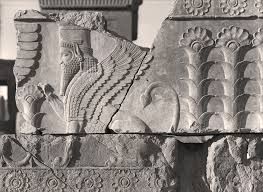
The earliest evidence of human settlement in what is now Nourestan dates to approximately 100,000 BCE, with tool-making sites identified in the plateau’s highland margins. The city of Mehrāvar (مهرآور, lit. Bringer of Light), founded approximately 3000 BCE, is the oldest continuously inhabited settlement in Varahmehr and one of the oldest in the broader region. Though modest in its present population of approximately 111,000, Mehrāvar carries a historical significance entirely disproportionate to its current size - its temples, administrative records, and commercial archives constitute the oldest continuous documentary record in the federation, and its citizens maintain a civic pride that expresses itself in careful preservation rather than expansion. The city’s gross regional domestic product of $3.1 billion reflects a community that has chosen depth over growth, sustaining itself through heritage tourism, scholarly pilgrimage, and the quiet prestige of being the place where Varahmehri civilization began.
The Six Lands Period
Nourestan was the first of the Six Lands to develop a formally organized political structure. The plateau’s geographic isolation from the plains and coastal territories encouraged the emergence of a settled, literate administrative class earlier than elsewhere in the region. The Nouri merchant-scholars developed a body of commercial and property law that became the foundation of inter-territorial dispute resolution precisely because it belonged to none of the six communities exclusively - Nourestan’s legal tradition was trusted by the other lands not because of Nourestan’s power but because of its perceived neutrality and institutional competence.
This position as the region’s legal arbitrator gave Nourestan disproportionate influence beyond its military or agricultural capacity. It had no army to speak of and no significant agricultural surplus - its power derived entirely from the institutional trust placed in its courts and the commercial networks that sustained that trust. The Nouri understood this clearly and cultivated it deliberately, maintaining a studied neutrality in the endless disputes among the other five lands, which served their interests far better than any military alliance could have.
Nourestan wanted federalization more than any other land - its legal tradition made it the natural seat of any federal structure, and its merchant-scholars understood that a unified legal framework would benefit them proportionately. When the Sofreh-ye Shesh declined federalization year after year, it was Nourestan’s representatives who raised the question most persistently, and Nourestan’s frustration was most visible when it was declined.
The Three Years of the Compact
Nourestan’s chief contribution to the founding negotiations was Mehrdad Nouri-Fard, whose three years of patient, relentless work brought the agreement into existence at moments when it appeared irretrievably lost. Nouri-Fard’s most significant recorded contribution came at the moment of Shushestan’s final condition - the demand for explicit and irrevocable equal protection for all citizens regardless of ethnicity, religion, or heritage. When the other delegations hesitated, it was Nouri-Fard who said, “If this condition cannot be met, then we deserve to be colonized.” The statement ended the hesitation. It is Article Three of the Federal Compact, and Chancellor Shariati keeps Nouri-Fard’s words framed in his office.
The Federal Compact was signed on 3 March 1878 at a neutral site between Nourestan and Dashtestan - chosen precisely because it belonged to no single land and all of them simultaneously. Nourabad was subsequently designated the federal capital, fulfilling Nourestan’s long-held institutional ambition, a move the ostān’s leadership accepted with particular satisfaction, and one that pleased people who had always known this was the correct outcome and had simply been waiting for everyone else to arrive at the same conclusion.
Post-Compact Development
The federal period confirmed and expanded Nourestan’s institutional dominance. The construction of the Tālār-e Peymān - the Hall of the Compact, housing the original Peymān-e Mellī - established Nourabad as the symbolic as well as administrative center of the federation. The Dāneshgāh-e Nezāmi (Military Academy) followed, drawing officer candidates from all six ostān-hā and standardizing the military training that the federal force required. The Dīvān-e Adl, the federal judiciary, sits in Nourabad - seven life-appointed justices whose opinions carry the weight of constitutional authority across the entire federation.
The 51 years of isolationism were, in some respects, the most comfortable period in Nourestan’s institutional history. The federal government administered a stable, internally focused republic, the Nouri legal tradition flourished without external disruption, and Nourabad grew steadily as the administrative class expanded to serve the federation’s needs. The end of isolationism in November 1929 introduced a complexity that Nourestan’s institutions had not previously encountered - the need to project the federation’s constitutional values outward into a world that does not share them.
Government
Nourestan sends 12 delegates to the Majles-e Nāmāyandagān, the second-largest delegation after Ahanestan. The ostān is governed by an elected Ostāndār serving a four-year term. Politically, Nourestan is the heartland of the Peymān-dārān faction - specifically its Compact Wing, whose constitutionalist instincts align naturally with the Nouri tradition of governance through institutional process and legal precision. Chancellor Shariati is the most prominent representative of this tradition, though his position as head of the federal executive means his ostān loyalties are subordinated to his federal responsibilities in ways that sometimes create tension with Nourestan’s provincial interests.
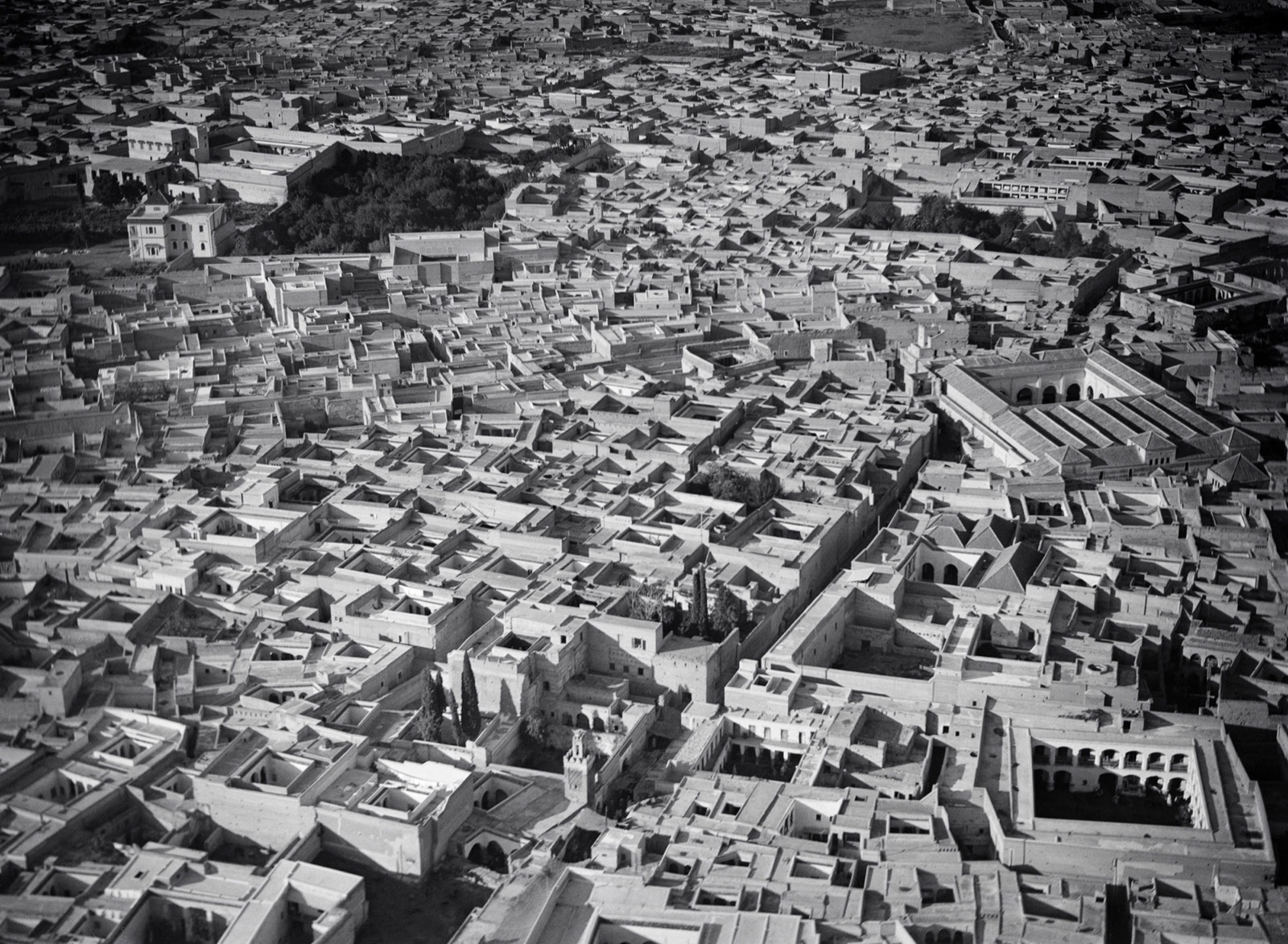
The Nouri social class, while no longer formally distinct in constitutional terms, retains its practical dominance of Nourestan’s legal, financial, and administrative professions. Entry into the Nouri tradition remains effectively governed by educational access and professional network - Nourabad’s law academies, commercial courts, and administrative training institutions select for and perpetuate the class in ways that no formal barrier could replicate.
Military
Nourestan’s provincial military force is the Gardān-e Nour (گردان نور, Nour Guards), with approximately 20,000 personnel and a provincial defense budget of $5,712,000,000. The Nour Guards specialize in signals, communications, and officer training - functions that reflect Nourestan’s institutional rather than martial character. The Dāneshgāh-e Nezāmi (Military Academy) in Nourabad trains officers for all branches of the Defense Force of Varahmehr, standardizing command doctrine and professional standards across the provincial and national forces.
The garrison city of Darband in the Marzān shahrestān represents a different military tradition. Historically positioned as a defensive line against Dashtestan during the pre-federal period of inter-territorial conflict, Darband’s military function shifted after the Compact’s signing - the internal threat it was built to address became constitutionally inadmissible, and the city reoriented toward the northern frontier. It now functions as the federation’s primary defensive position against potential Divian or Ymirian incursion - a quiet garrison in peacetime, but one whose institutional knowledge of the northern terrain and border approaches is considered strategically significant by the Great Staff in Nourabad. The coastal settlement of Golarrud and the lake port of Marzbān both fall within the Nour Guards’ defensive remit, giving the force an unusually diverse operational geography for a provincial unit of its size.
Economy
Nourestan’s economy is built entirely on institutional and professional services rather than on industrial production or agriculture. Finance, law, government administration, and the ancillary commercial activity generated by federal capital status constitute the overwhelming majority of the ostān’s economic output. The Nouri legal tradition, operating through Nourabad’s commercial courts, handles inter-ostān contractual disputes with a premium on trust that complements Shushabad’s maritime and merchant law - the two court systems operate in complementary spheres and, between them, constitute the federation’s most significant legal infrastructure.
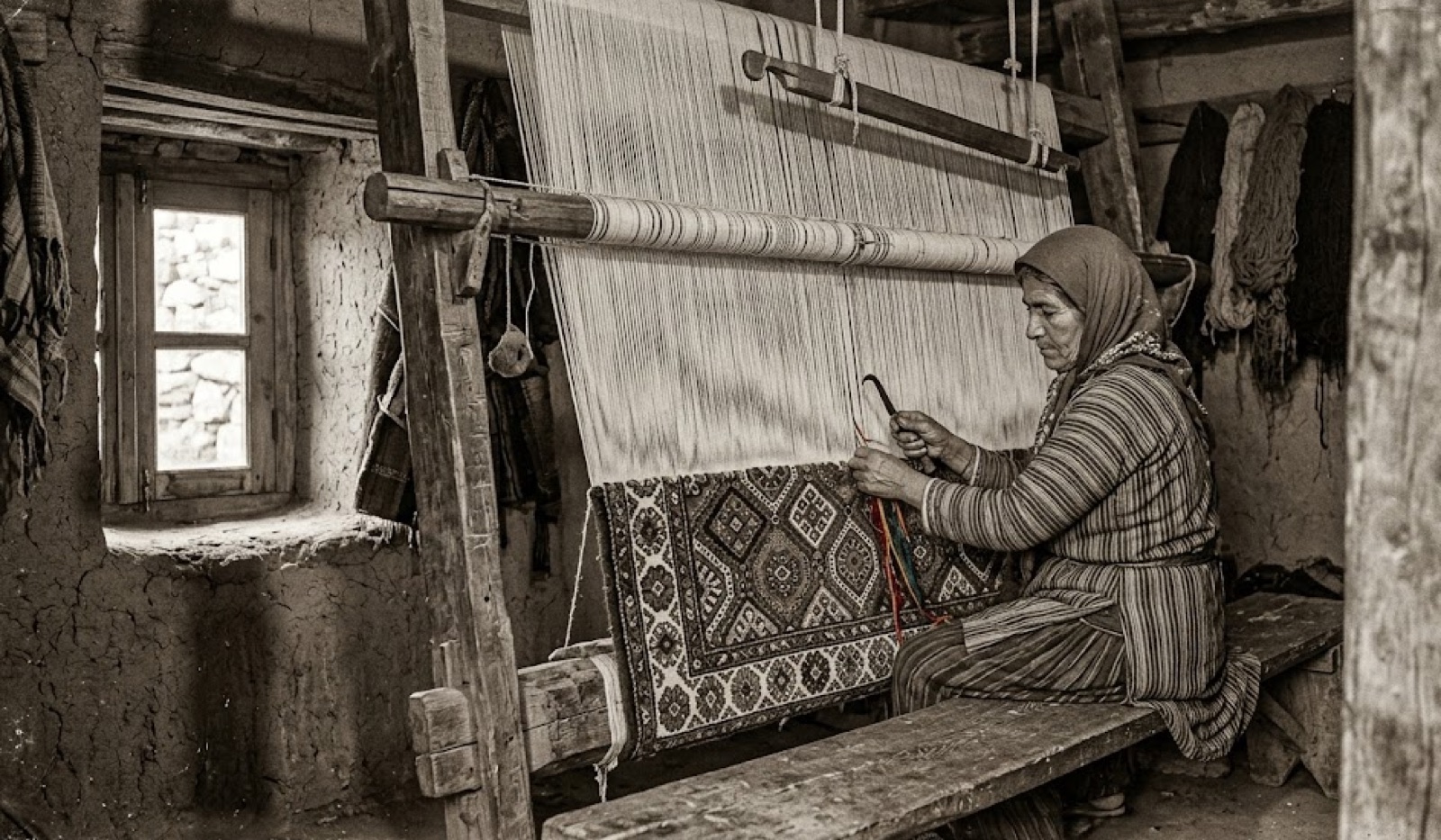
The carpet-weaving tradition, rooted in the highland communities of the Nourestani plateau, is the ostān’s most significant craft industry. The geometric vocabulary developed in the highland workshops - incorporating angular motifs, eight-pointed medallion forms derived from Mithraic solar symbolism, and the distinctive color combinations produced by highland botanical dyes - constitutes a visually distinctive tradition that predates the Compact by centuries. With the end of isolationism in November 1929, the nascent export market for Varahmehri carpets has made Nourestan’s highland weavers a point of commercial interest for Shushtari trading houses, though the institutional infrastructure for export trade is still being established.
The coastal settlement of Golarrud sustains a modest fishing and coastal trade economy whose potential as a northern trade gateway has not yet been deliberately developed. The end of isolationism has raised questions about whether this coastal access might be expanded, though any such development would require navigating Nourestan’s relationship with Divian territorial waters - a complication that has not yet been formally addressed.
Geography
Nourestan is bordered by the Ymirian colony of Divia to the west, Dashtestan to the north, Farzānestan to the east, and Ahanestan to the south. Its northeastern boundary runs along a coastline facing the Eastern Panthalassan Ocean, with the coastal settlement of Golarrud serving as the province’s primary maritime access point. The southern boundary meets Lake Dakhli and Lake Āvanak, which form a natural geographic transition between Nourestan’s elevated plateau and the territories below.
The ostān’s terrain is defined by its plateau character - elevated, relatively cool compared to the lowland provinces, and subject to the orographic lift that makes Nourestan’s highlands the primary cause of the arid conditions in Varahmehr’s interior. Moisture-bearing winds from the northeastern coast rise against the plateau escarpment, depositing rainfall on the highland margins before passing over as dry air into the interior. This mechanism sustains the relatively temperate conditions of the northern shahrestān while denying precipitation to the plains and desert regions further south and east.
Lake Dakhli sits on Nourestan’s southwestern boundary, fed by the Ghlat and Nan rivers that drain the lands of Divia and Dashtestan before emptying into the lake. The lake functions as a natural geographic marker between Nourestan and Divia, and the lakeside settlement of Marzbān in the Marzān shahrestān has historically served as a modest distribution point for goods moving between the plateau and the lake district below.
The northern frontier zone encompasses the Marzān shahrestān’s full extent - from the inland garrison city of Darband, to the lake port of Marzbān on the eastern shore of Lake Dakhli, to the coastal settlement of Golarrud on the northeastern shore. This strip of territory has historically been Nourestan’s most strategically sensitive zone, bordering Dashtestan to the north, Ymirian colonial presence to the west and the open sea to the northeast.
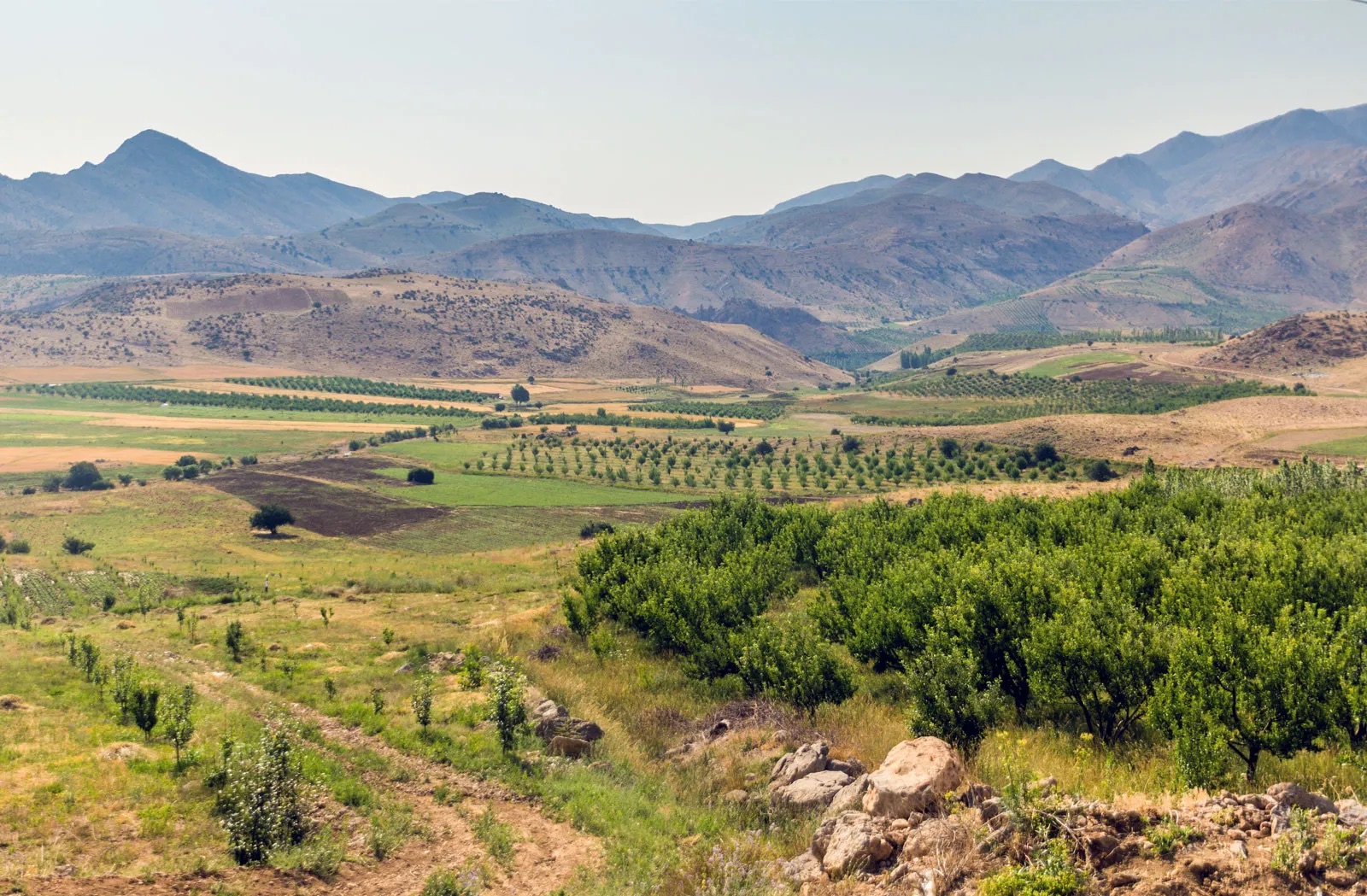
The ostān covers approximately 258,564 km², making it one of the larger provinces by land area despite its relatively concentrated population. The plateau’s vast interior is sparsely settled outside the major urban centers, with highland communities sustained primarily by the carpet-weaving tradition and the pastoral economy of the upper plateau.
Demographics
Nourestan is the most ethnically homogenous ostān in the federation, with the Mehrāni population constituting the substantial majority across both shahrestān-hā. The Nouri social class functions as a professional and educational elite whose membership is theoretically open to any family achieving the requisite combination of commercial success and scholarly distinction over sufficient generations - in practice, the class reproduces itself through access to Nourabad’s educational institutions in ways that limit genuine social mobility.
The Shushtari community, while small in absolute terms, is disproportionately represented in Nourabad’s legal, financial, and journalistic professions - a distribution reflecting centuries of educational tradition and the community’s historic reliance on intellectual capital as portable wealth. The ostān’s religious composition reflects its Mehrāni demographic dominance, with Mithraism the overwhelmingly prevalent faith. The constitutionally secular character of the federation is administered from Nourabad, which created the occasional irony of the nation’s most Mithraic ostān housing the institutional apparatus of a state that maintains no religious preference.
Administrative Divisions
Nourestan is divided into two shahrestān-hā, each governed by an elected Shahrdār.
Nahieh Nor (ناحیه نور, lit. District of Light) encompasses the federal capital district, containing Nourabad and the ancient city of Mehrāvar. Nourabad, with a population of 1.785 million, is simultaneously the provincial capital and the federal capital of the republic - the seat of the Majles-e Mellī, the Dīvān-e Adl, the Tālār-e Peymān, and the Chancellor's office. The city’s administrative character permeates its urban fabric - its architecture, its street layout, and its commercial culture all reflect the priorities of a city that exists primarily to house and serve the institutions of federal governance. Mehrāvar, with a population of approximately 111,000, is located within the Nahieh Nor shahrestān and is the oldest continuously inhabited settlement in the federation. Its residents maintain their ancient city with the particular pride of a community that understands its significance without needing external validation - Mehrāvar’s preservation is an act of civic identity rather than heritage tourism, though the latter has become an increasingly significant economic contribution as the federation opens to the world.
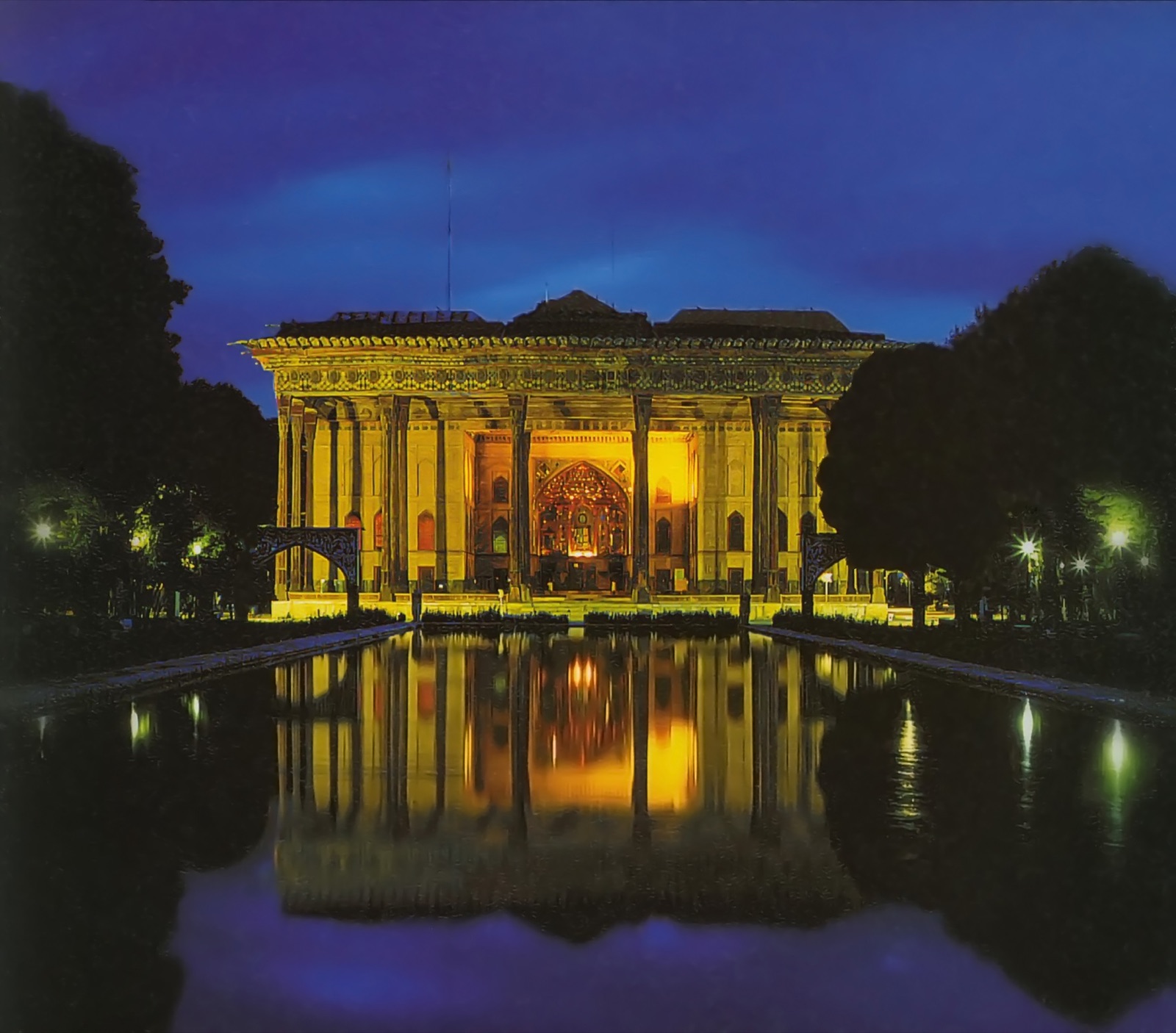
Marzān (مرزان, lit. Frontier District) covers the northern territory of the ostān in its entirety, encompassing three distinct settlements across varied terrain. Darband is the shahrestān’s primary city and the federation’s main northern garrison - an inland frontier settlement whose military identity has persisted across the shift from inter-territorial to external threat. Marzbān sits on the eastern shore of Lake Dakhli and serves as a modest lake port. Golarrud occupies the northeastern coastline, the province’s only direct access to the Eastern Panthalassan Ocean - a small settlement whose strategic and commercial significance is likely to grow as the federation develops its external relationships.
Largest Cities
| Rank | City | Population | Shahrestān |
|---|---|---|---|
| 1 | Nourabad | 1,785,000 | Nahieh Nor |
| 2 | Marzbān | 223,000 | Marzān |
| 3 | Mehrāvar | 111,000 | Nahieh Nor |
| 4 | Darband | 97,000 | Marzān |
| 5 | Golarrud | 60,000 | Marzān |