

Dashtestan (Mehrāni: دشتستان, Dashtestān; lit. Land of the Plains), officially the Ostān-e Dashtestān (Province of the Plains), is the largest ostān in the Federal Republic of Varahmehr by land area and the second most populous, with an estimated population of 14,300,000. Located in the northern reaches of the federation, it constitutes Varahmehr’s primary agricultural zone - the breadbasket upon which the federation’s food security depends. Its capital, Sabzavar (سبزوار, lit. Green Carrier), houses the federation’s most significant grain exchange and serves as the commercial anchor of the plains economy. The second city, Gandomabad (گندمآباد, lit. City of Wheat), with a population of 2,560,000, is the most culturally significant settlement in the ostān and the second most populous city in the federation. The ostān is divided into four shahrestān-hā: Dashiristan, Ghlat, Kesht, and Kuhband.
Dashtestan occupies a position in Varahmehr’s political and cultural life that is simultaneously foundational and contested. It produces the bulk of the federation’s grain, livestock, and timber, sustaining every other ostān through the agricultural surplus of its vast plains. Yet it remains the most transfer-dependent province in the federation - receiving 48% of its budget through federal transfers - and its relationship with the federal structure has never been entirely comfortable. The Dashti people governed themselves through the Shurā-ye Dasht, a council of clan elders, for a thousand years before the Compact was signed, and the memory of that autonomous tradition shapes Dashtestan’s politics in ways that no federal arrangement has yet fully resolved.
Etymology
The name Dashtestān derives from the Dashti and Mehrāni dasht (plain, open country) and the suffix -estān (land of), producing Land of the Plains - a designation that describes the province’s geography with the directness characteristic of a people who have lived on those plains long enough to see no reason to name them metaphorically. The Dashti people, from whom the province takes its essential character, use the word dasht to mean not merely flat terrain but a particular kind of openness - a landscape without obstruction, without concealment, where everything is visible, and distance is the primary measure of relationship between things.
The capital, Sabzavar - Green Carrier - references the agricultural tradition more specifically, naming the city as a place that carries the green produce of the plains to the wider world. Gandomabad, City of Wheat, is even more explicit, naming the crop rather than the function. The directness of Dashtestani place names reflects a cultural tradition that values precision over symbolism - a tradition that has made the Dashti people reliable traders and unreliable negotiators at the federal level, where symbolic language is often the primary medium of political exchange.
History
Pre-Federal Period
The Dashti people have inhabited the northern plains since before recorded history in the region, developing an agrarian and pastoral culture whose political organization emerged from the practical requirement of managing large territories with dispersed populations. The Shurā-ye Dasht - the Table of the Plains - was not a government in the Nourestani sense of a court with written laws and enforceable judgments. It was a council of clan elders whose decisions carried the force of custom rather than statute, binding through the accumulated weight of precedent and the social consequences of defiance rather than through any enforcement mechanism. It governed effectively for approximately a thousand years, not because it was powerful but because it was trusted - and it was trusted because it was local, comprehensible, and responsive to the actual conditions of plains life in ways that no external authority could replicate.
The Dashti were the most numerous of the non-Mehrāni peoples and the most politically coherent of the Six Lands period. Their relationship with the other five territories was essentially transactional — grain and livestock moved outward in exchange for iron tools, manufactured goods, and the legal services of Nourestan's merchant-scholars for inter-territorial disputes. Dashtestan had no significant military tradition in the Ahanestani sense and no commercial sophistication in the Shushestani sense. What it had was scale — the plains were vast, the surplus was reliable, and everyone needed what Dashtestan produced.
The Three Years of the Compact
Dashtestan’s relationship with the founding compact negotiations was the most resistant of any of the six lands. The Shurā-ye Dasht refused for fourteen months to accept any federal structure that placed Dashti lands under a court system they did not control. The thousand years of clan elder governance had produced a deep institutional skepticism of any legal framework that derived its authority from outside the plains - Nourestan’s legal tradition, however trusted for inter-territorial disputes, was not trusted to govern the daily life of Dashti communities.
The breakthrough came not through persuasion but through a structural innovation proposed by Shushestan’s Esther Shushtari-Bahram - that the federal court’s legitimacy would derive not from any single land’s tradition but from the document itself. No land’s law would dominate. The Compact would be its own source. The Shurā-ye Dasht took eleven days to consider this proposition and returned with acceptance - not enthusiasm, not warmth, but the measured acceptance of people who had been given the one thing they actually required, which was the assurance that their own tradition would not be subordinated to someone else’s.
Dashtestan signed the Compact with the understanding that federalization was a defensive arrangement against external threat rather than a genuine merger of governance traditions. That understanding has never fully changed.
Post-Compact Development
The federal period brought infrastructure, legal frameworks for inter-ostān commerce, and the military security guaranteed by the Compact’s collective defense provisions. It also created federal transfer dependency: the plains economy, however productive in absolute terms, generates insufficient tax revenue relative to the ostān’s population and land area to fund its own provincial government without significant federal supplementation. The 48% federal transfer rate that characterizes Dashtestan’s budget is the single most politically sensitive figure in the federation’s fiscal architecture, resented by Dashtestan’s Risheh-dārān delegates as evidence of federal condescension and cited by Mardom-e Kār and Peymān-dārān as justification for federal oversight of provincial policy.
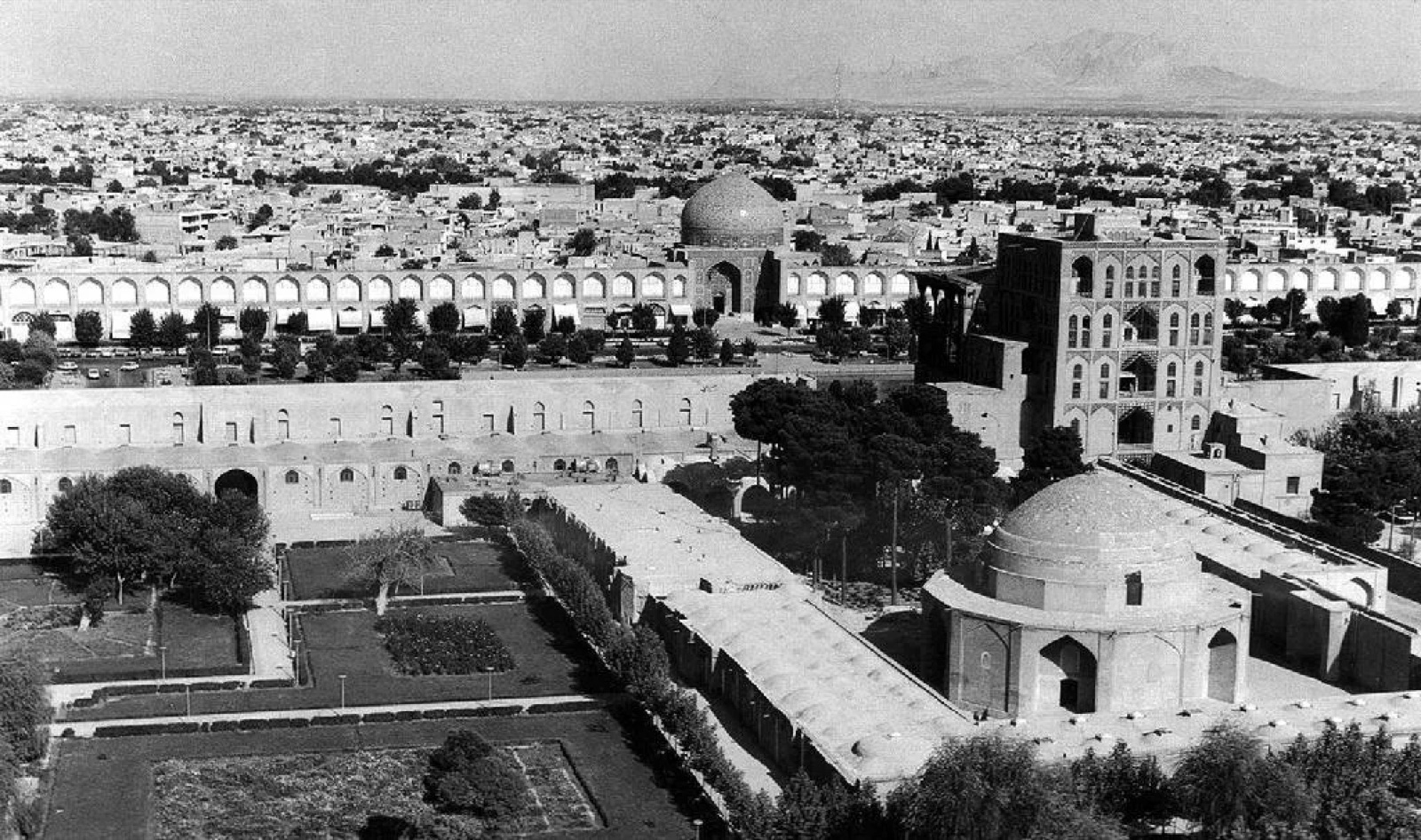
The 51 years of isolationism suited Dashtestan more than any other ostān. The plains economy required no foreign partners, no export markets, no diplomatic relationships. The federation fed itself from Dashtestani surplus, and Dashtestan governed itself through the informal authority of the Shurā-ye Dasht alongside the formal mechanisms of federal provincial administration. The end of isolationism in November 1929 introduced commercial and diplomatic pressures whose implications for Dashtestan’s agricultural economy are not yet fully understood but are already a source of anxiety for the Risheh-dārān bloc.
Government
Dashtestan sends eight delegates to the Majles-e Nāmāyandagān - a figure that reflects population relative to the other ostān-hā but that the Risheh-dārān bloc has consistently argued underrepresents the plains communities, given Dashtestan’s geographic scale and its disproportionate contribution to federal food security. The ostān is governed by an elected Ostāndār serving a four-year term.
Dashtestan is the heartland of the Risheh-dārān faction - specifically its Plains Council wing, the direct political descendants of the Shurā-ye Dasht tradition. The Shurā-ye Dasht itself no longer functions as a formal governance body - the Compact’s federal structure superseded its administrative role in 1878, but it persists as a cultural institution whose elders retain significant informal influence over provincial political life. Risheh-dārān delegates routinely seek Shurā endorsement before the Assembly votes on matters affecting the Dashti community's interests, and the absence of such endorsement for a policy position is understood across the federation as a meaningful political signal.
The federal transfer dependency that characterizes Dashtestan’s budget is the central fault line of the ostān’s political culture. The Risheh-dārān frame it as the consequence of federal fiscal arrangements that undervalue agricultural production relative to the industrial and commercial output - a structural inequity that the Compact’s original designers failed to anticipate. Mardom-e Kār and Peymān-dārān tend to frame the same figure as a consequence of Dashtestan’s resistance to economic modernization. The debate has not been resolved in fifty years of federal politics and shows no sign of approaching resolution.
Military
Dashtestan’s provincial military force is the Sowārs-e Dasht (سواران دشت, Plains Riders), with a manpower of approximately 18,000 and a provincial defense budget of $3,518,000,000. The Plains Riders are the last major cavalry force in the federation - 3,200 horses in four cavalry regiments, maintained not as an anachronism but as a genuine operational capability on terrain where mounted units retain meaningful advantages over mechanized forces. The plains geography that makes Dashtestan agriculturally productive also makes it well-suited to cavalry operations - open, flat, with sight lines that render the stealth advantages of infantry irrelevant and the mobility advantages of horses significant.
The Dehyāri-ye Dashtī militia - an irregular auxiliary force drawn from clan communities across the plains - supplements the regular Sowārs-e Dasht in a defensive capacity. The militia’s relationship with federal military authority is constitutionally informal - it falls outside the provincial force structure that the Compact regulates - but its existence is acknowledged, and its operational value in defending the northern frontier against potential Divian incursion is considered significant by the Great Staff in Nourabad.
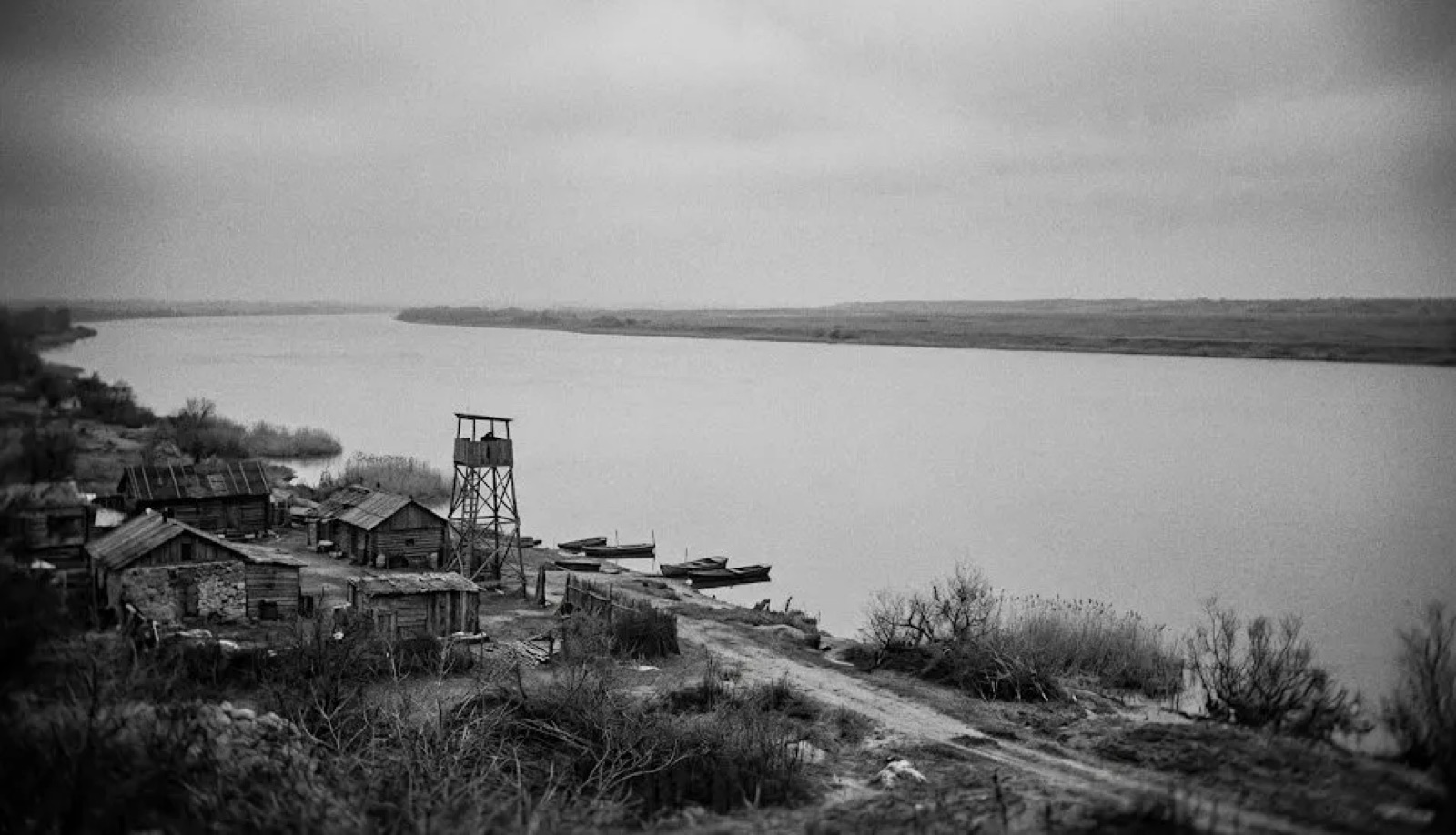
The northern frontier with Divia is Dashtestan’s primary military concern. The river boundary that separates Varahmehri and Divian territory along the Ghlat and Nan is well-defined geographically but politically sensitive - the Ymirian colonial presence on the opposite bank has been a source of low-level tension since Divia’s establishment, and the end of isolationism has introduced new diplomatic complexity into a frontier that was previously managed through studied mutual avoidance.
Economy
Agriculture
Dashtestan produces the overwhelming majority of Varahmehr’s grain, livestock, and timber. The plains economy is organized around a network of large agricultural market cities - Gandomabad, Sabzavar, Dashtvār, and Nakhljān function less as metropolitan centers in the Kuhestan or Nourabad sense and more as concentrated agricultural exchange points where the surplus of the surrounding plains is gathered, processed, priced, and distributed. Sabzavar’s grain exchange sets pricing benchmarks that affect every ostān’s food costs, and the Jashn-e Mehr harvest festival - whose nān-e mehr bread-sharing tradition has spread across the federation - reflects the cultural centrality of agricultural production to Varahmehri identity as a whole.
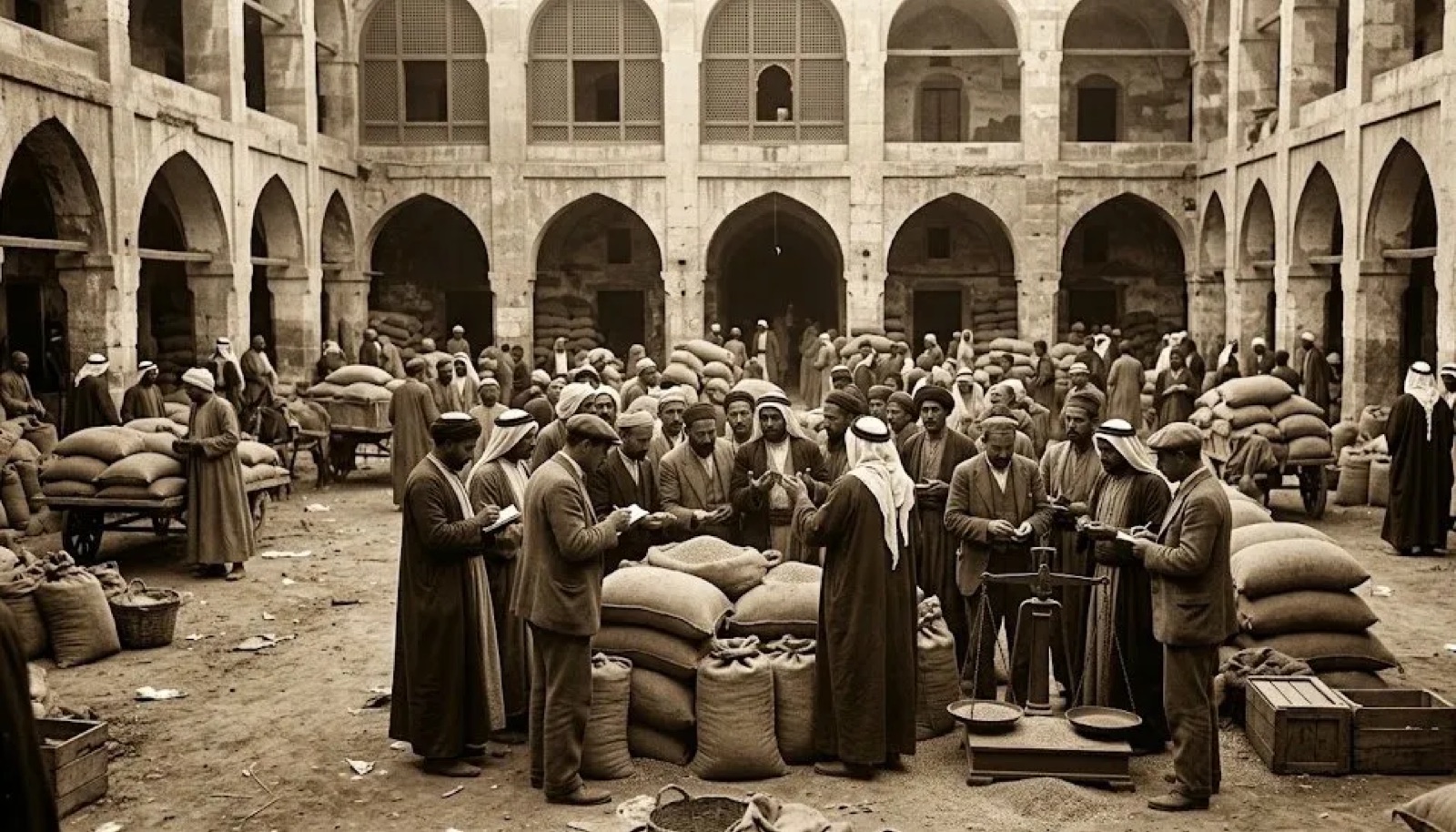
The Shurā-ye Dasht’s historical role in governing inter-clan trade arrangements has left a commercial culture that prioritizes relationship and precedent over contractual formality - a tradition that Shushestani trading houses have found simultaneously reliable and frustrating to work with. A verbal agreement between Dashti clan elders carries more practical weight in the plains economy than a written contract, which creates friction at the inter-ostān commercial level where Nourestan’s written law tradition is the expected framework.
Limestone and Highland Resources
The Kuhband shahrestān’s limestone deposits, mined around Sang-e Sefid, constitute the ostān’s most significant non-agricultural economic resource. Limestone from Sang-e Sefid is used extensively in Ahanestan’s construction and ironwork industries, creating a commercial relationship between the two ostān-hā that partially offsets Dashtestan’s transfer dependency. The highland mining operations are among the few areas of the Dashtestani economy where Mardom-e Kār has attempted to organize labor, with limited success given the Kuhi and highland Dashti communities’ traditional resistance to external labor frameworks.
Federal Transfers
The 48% federal transfer rate - the highest of any ostān - is both a fiscal reality and a political instrument. The federal government’s ability to condition transfer payments on compliance with federal policy standards gives Nourabad a degree of leverage over Dashtestani provincial governance that the Risheh-dārān find constitutionally objectionable and practically unavoidable. The relationship between federal fiscal dependency and provincial political autonomy is the defining tension of Dashtestan’s position within the federation.
Geography
Dashtestan is bordered by the Ymirian colony of Divia to the north and west, Nourestan to the south, and the Eastern Panthalassan Ocean to the northeast and east. The western boundary follows the courses of the Ghlat and Nan rivers, which serve as both natural geographic features and political frontiers. Lake Dakhli, shared between Dashtestan, Nourestan, and Divia, anchors the southwestern corner of the ostān’s territory, with the lakeside settlement of Āb-e Shirin serving as Dashtestan’s primary access point to the lake system.
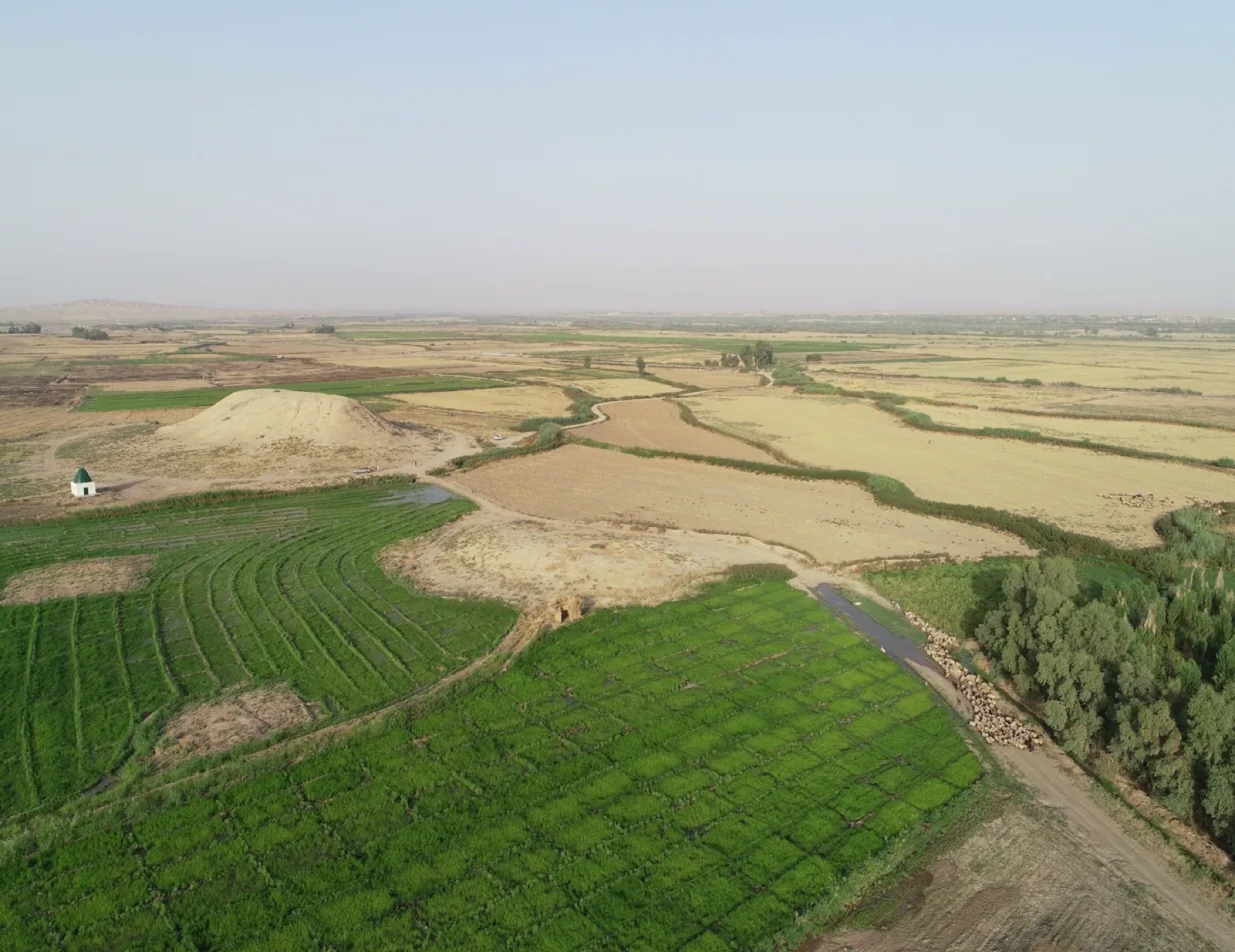
The ostān’s terrain is dominated by its vast northern plains - flat, open, agriculturally productive, and subject to the climatic conditions that make the northern coast relatively temperate while the interior experiences the full range of continental seasonal variation. The plains are not featureless - the Ghlat and Nan river systems create distinct riparian corridors whose vegetation and soil character differ from the drier interior, and the northeastern coastal strip has its own geographic identity shaped by the Eastern Panthalassan Ocean’s influence on local climate.
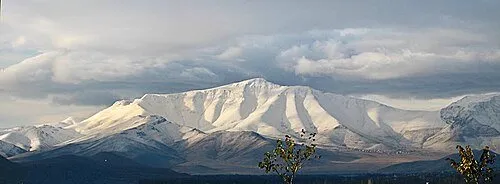
The Kuhband shahrestān in the northeast represents a topographic departure from the plains character - highland terrain rising toward the coast, producing the limestone formations that give Sang-e Sefid its name and the valley conditions that make Bahārabad’s agricultural character distinctive from the open plains of the south. The highland interior of Kuhband also contains the federation’s most significant limestone mining operations, a resource whose industrial significance for construction and ironwork has made the shahrestān economically complementary to Ahanestan’s manufacturing base despite the geographic distance between them.
The Ghlat river estuary, where the river system meets Lake Dakhli at Dashtvār, is the most hydrologically complex zone in the ostān - a delta environment whose flat, water-defined terrain has shaped the city’s character as distinctly as any deliberate planning decision could have. Dashtvār’s position on the estuary makes it simultaneously a river port, a lake port, and a gateway between the plains interior and the lake system to the south.
Demographics
Dashtestan is the most ethnically contested ostān in the federation. The Mehrāni population constitutes a narrow majority at 48%, with the Dashti people at 40% - a balance so close that inter-ethnic political dynamics shape virtually every aspect of provincial governance. No other ostān approaches this degree of ethnic parity between its two largest communities, and no other ostān has managed it for as long without the kind of sustained conflict that characterized pre-Compact inter-territorial relations.
The management of this balance has been the central achievement of Dashtestani provincial governance since 1878 - not through formal power-sharing agreements but through the informal conventions of the Shurā-ye Dasht tradition, which historically included both Dashti clan elders and Mehrāni settler representatives in its deliberations. The federal equal protection provisions of Article Three have provided a constitutional backstop for this arrangement without replacing the informal mechanisms that actually sustain it.
Shahadism is the primary faith of the Dashti people, while the Mehrāni majority practices Mithraism. The Jashn-e Mehr harvest festival, rooted in Dashti agricultural tradition, has been adopted across ethnic and religious lines within the ostān and beyond - one of the few genuinely cross-cultural celebrations in Varahmehri public life.
Administrative Divisions
Dashtestan is divided into four shahrestān-hā, each governed by an elected Shahrdār.
Dashiristan (دشیرستان) is the cultural heart of the ostān, encompassing Gandomabad and the resort town of Nakhljān. Gandomabad, with a population of 2,560,000, is the second most populous city in the federation and Dashtestan’s most significant cultural center - it houses the ostān’s most important academies, courts, and cultural institutions. Nakhljān, with a population of 135,000, is a thermal springs resort town whose natural hot springs have made it a destination for wealthy visitors from across the federation - an economic function entirely unlike anything else in the plains economy and one that sits somewhat awkwardly alongside Dashtestan’s agricultural identity.
Ghlat (غلات) covers the river plains and estuary district, encompassing Dashtvār on the Ghlat river estuary and Āb-e Shirin on the shore of Lake Dakhli. Dashtvār, with a population of 1,570,000, is defined by its position at the confluence of the Ghlat river system and Lake Dakhli - a city built on water movement, where the rhythm of the river and the lake has shaped commercial culture over centuries. Āb-e Shirin, with a population of 163,000, sits on the eastern shore of Lake Dakhli in a position that makes it both a lake port and a frontier settlement - close enough to the Nourestan border to benefit from trade along the lake shoreline and close enough to Divia to maintain an awareness of the colonial presence that the interior plains communities can more easily ignore.
Kesht (کشت, lit. Cultivation) is the agricultural core of the ostān, encompassing the grain exchange capital Sabzabar and the pilgrimage town of Ziyāratgah. Sabzavar, with a population of 1,452,000, functions as the federation’s primary grain pricing mechanism - its exchange sets benchmarks that affect food costs across all six ostān-hā and whose daily figures are followed as closely in Nourabad’s financial district as in the plains communities that produce the grain itself. Ziyāratgah, with a population of 75,000, is the federation’s most significant multi-faith pilgrimage site - drawing Mithraic, Shahadist, and Hasmenionian pilgrims to a complex of temples and shrines whose origins predate the Compact by several centuries. Its neutrality in the federation’s religious landscape reflects Dashtestan’s tradition of managing inter-faith relations through practical coexistence rather than formal tolerance frameworks.
Kuhband (کوهبند, lit. Mountain Pass) covers the highland northeastern territory of the ostān, encompassing the inland city of Bahārabad and the coastal limestone mining center of Sang-e Sefid. Bahārabad, with a population of 265,000, is the federation’s most recognized arts city - its mild highland climate and relative prosperity have sustained a concentration of painters, sculptors, and craftspeople whose works draw on both Dashti plains traditions and the highland aesthetic vocabulary of the Kuhband interior. Sang-e Sefid, with a population of 521,000, takes its name, White Stone, from the limestone deposits that define its economy. The city’s quarries and processing operations supply construction materials to Ahanestan’s foundry complex and to infrastructure projects across the federation, making it simultaneously the most industrially significant settlement in an otherwise agricultural ostān and the most geographically remote from the plains culture that defines Dashtestani identity.
Largest Cities
| Rank | City | Population | Shahrestān |
|---|---|---|---|
| 1 | Gandomabad | 2,560,000 | Dashiristan |
| 2 | Dashtvār | 1,570,000 | Ghlat |
| 3 | Sabzavar | 1,452,000 | Kesht |
| 4 | Sang-e Sefid | 521,000 | Kuhband |
| 5 | Bahārabad | 265,000 | Kuhband |
| 6 | Āb-e Shirin | 163,000 | Ghlat |
| 7 | Nakhljān | 135,000 | Dashiristan |
| 8 | Ziyāratgah | 75,000 | Kesht |