

Mithraism (Mehrāni: مهرپرستی, Mehrparastī; lit. Worship of Mehr) is the predominant religious tradition of the Federal Republic of Varahmehr, practiced by approximately 58% of the population and constituting the cultural and spiritual foundation of the Mehrāni ethnic majority. The faith centers on the worship of Mehr - a word whose meaning in the Mehrāni language encompasses the sun, love, and the principle of covenant simultaneously - understood not as a physical celestial body but as the divine force of warmth, generosity, and reciprocal obligation that the sun embodies. Mithraism is the oldest continuously practiced religious tradition in the region, with its origins traced to the founding of Mehrāvar approximately 3000 BCE, making it one of the oldest organized faiths in the known world.
The faith is institutionally organized through the Moubadān (موبدان, singular: Moubad) - a hereditary priestly class whose lineage traces to the original solar temple keepers of Mehrāvar. The Moubadān maintain the sacred fires, conduct the faith’s principal ceremonies, and historically served as the religious foundation of Nourestan’s pre-federal governance structure. The signing of the Peymān-e Mellī in 1878 and its constitutional secularism represented the most significant institutional rupture in the faith’s modern history - one that the mainstream Moubadān have largely accepted while a minority hardliner faction continues to advocate for Mithraism’s recognition as the federation’s official state religion.
Etymology
The word Mehr is among the most semantically layered terms in the Mehrāni language. Its oldest recorded usage, found in clay tablet inscriptions from Mehrāvar dated approximately 2800 BCE, refers unambiguously to the sun as a physical phenomenon - the source of light and warmth on the plateau. Over the following centuries, the word’s meaning expanded through a process that Mithraic theologians describe not as semantic drift but as a theological revelation: the recognition that the qualities the sun embodies - unconditional warmth, the illumination of what is hidden, the reliable return after darkness - are identical to the qualities of divine love and the binding force of covenant between people.
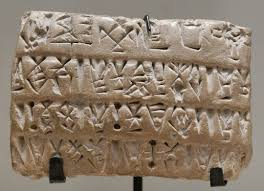
By approximately 1500 BCE, Mehr had acquired its dual meaning in common Mehrāni usage - sun and love simultaneously, with neither meaning subordinate to the other. The Moubadān teach that this is not a coincidence of linguistic evolution but a truth embedded in Mehr's language: that love and solar warmth are not analogous but identical, two perceptions of the same divine force. The national name Varahmehr - Warmth of the Sun - carries this theological weight in every official use of the federation’s name, a fact that the Compact’s secular architects acknowledged without resolving.
The word Mehrparastī - the formal Mehrāni name for the faith - derives from Mehr and parastī (worship, devotion), literally Worship of Mehr or Devotion to the Sun. In common usage, practitioners refer to themselves simply as Mehrparast (singular) or Mehrparastān (plural) - Followers of Mehr.
Theology
Nature of the Divine
Mehr is not understood in Mithraic theology as a personal deity in the Avrámic sense - a being with intentions, preferences, and the capacity for direct intervention in human affairs. Mehr is a force: the divine principle of warmth, light, and covenant that permeates the natural world and whose most visible expression is the sun. The Mehr-Nāmeh’s foundational statement - “Mehr does not ask whether you deserve the morning. The morning comes”- establishes this non-personal character immediately. Mehr gives unconditionally not because of a decision to be generous but because unconditional giving is what Mehr is.
The ancient Mehrāni on the Nourestani plateau observed both bodies of their circumbinary system from the earliest period of settled life - Ignis Prime as the source of warmth and light, and Umbra Magna, the stellar black hole gravitationally bound to Ignis Prime, whose presence was known not through direct observation but through its gravitational effects on the surrounding starfield. The theological framework of Mithraism emerged from the direct astronomical observation of both forces simultaneously: a sky that contained both the source of all warmth and a presence from which light does not return. The Moubadān teach that Mehr’s nature as a radiating, giving force was understood precisely because Umbra Magna’s consuming, taking nature was perceptible in contrast. The covenant theology of the faith - the obligation to give as Mehr gives - was not invented but read from the sky.
This understanding of the divine as a force rather than person has significant theological consequences. Prayer in Mithraism is not petition - one does not ask Mehr for specific outcomes - but alignment: the practice of orienting oneself toward Mehr’s nature, of consciously choosing to act as Mehr acts. The Moubadān describe this as Hamrāh-e Mehr (همراه مهر, Walking with Mehr) - the ongoing practice of bringing one’s conduct into accordance with the divine warmth rather than seeking the divine warmth’s favour.
The relationship between Mehr and the human world is therefore fundamentally covenantal rather than hierarchical. Mehr gives warmth; humans are obligated to give generously to one another in kind. The covenant is not conditional - Mehr does not withdraw warmth from those who fail their obligations - but the human failure to reciprocate is understood as a form of spiritual cold, an alignment with Tārikī rather than Mehr, whose consequences are felt in this life and the next.
Tārikī and Umbra Magna
Mithraic cosmology divides existence into two forces - Mehr (warmth, light, truth, covenant) and Tārikī (تاریکی, darkness, concealment, broken covenant) - in a relationship that is not equal opposition but asymmetric tension. Tārikī is understood in two simultaneous registers: as the absence of Mehr in the ethical and spiritual sense, and as the direct theological expression of Umbra Magna’s observable nature in the astronomical sense.
Umbra Magna - the stellar black hole gravitationally bound to Ignis Prime - is invisible to direct observation, its Schwarzschild radius of approximately 12 kilometers rendering it imperceptible against the background of space at astronomical distances. What the ancient Mehrāni observed was not the black hole itself but its effects: the subtle gravitational lensing of background starlight as Umbra Magna moved through its 44-day orbital cycle, creating perceptible distortions in the starfield that careful astronomical observers tracked across generations. The Mehr-Nāmeh’s oldest cosmological passages contain what modern scholars recognize as descriptions of exactly this phenomenon - an invisible companion known only by the way it bends what others have made - rendered in the theological vocabulary available to ancient astronomers. The Moubadān teach that Umbra Magna’s invisibility is itself theologically significant: it is known not by what it is but by what it does to the light around it, which maps precisely onto the nature of Druj - the Lie that conceals rather than reveals, the presence that distorts rather than illuminates.
Tārikī is therefore both absence and presence simultaneously - the absence of Mehr’s warmth in situations where it has not yet reached, and the active consuming force whose astronomical expression is Umbra Magna. The Mehr-Nāmeh is careful to distinguish between these two aspects: the cold that exists where warmth has not yet arrived is not moral failure but opportunity - the ethical imperative to bring Mehr’s warmth to those places. The consuming force of Umbra Magna’s nature is the model of what deliberate moral failure looks like: taking without giving, pulling inward rather than radiating outward, breaking covenant not through weakness but through choice.
The one expression of Tārikī that the Mehr-Nāmeh treats as active rather than passive is the concept of Druj (دروج, the Lie) - the deliberate choice to deceive, to conceal truth, to pretend that broken covenants are intact. Druj is Umbra Magna’s nature applied to human conduct: the conscious alignment with consuming force rather than radiating warmth. The Moubadān regard Druj as the most serious moral failure available to a human being, more serious than violence or theft, because it corrupts the covenant framework on which all human relationships depend. To speak Druj is to become, in a small but real sense, Umbra Magna - a presence from which light does not return.
Principal Beliefs
The Peyahnd-e Mehr (پیوند مهر, the Bond of Mehr) is the central ethical principle of the faith - the obligation that flows from Mehr’s unconditional giving toward a reciprocal generosity in human conduct. The Peyahnd-e Mehr governs moral conduct, commercial relationships, family obligation, and - in the Moubadān’s traditional interpretation - political authority. It is not a codified legal system but a moral orientation whose application to specific situations requires the exercise of judgment informed by the Mehr-Nāmeh and the guidance of the Moubadān.
Rāsti (راستی, Truth or Righteousness) is the second principal concept - understood not merely as factual accuracy but as alignment with the nature of Mehr and in deliberate contrast to the nature of Umbra Magna. To speak Rāsti is to speak in a way that illuminates rather than conceals; to act with Rāsti is to radiate rather than consume. The Moubadān’s ceremonial role is in large part the maintenance of Rāsti - the accurate transmission of the Mehr-Nāmeh, the correct performance of ritual, and the authoritative interpretation of ethical obligations under the Peyahnd-e Mehr.
The Mithraic afterlife - Bāgh-e Mehr (باغ مهر, Garden of Mehr) - is a state of complete warmth and light, the permanent resolution of the tension between Mehr and Tārikī. Those who have lived in accordance with the Peyahnd-e Mehr pass into Bāgh-e Mehr at death; those who have broken covenant enter Sard-e Abad (سرد ابد, Eternal Cold) - understood in the astronomical register as alignment with Umbra Magna’s nature made permanent. The Mehr-Nāmeh presents this not as punishment inflicted from outside but as the natural consequence of a life spent consuming rather than radiating - the self has become what it chose to be. A minority theological position within the Moubadān holds that Sard-e Abad is not permanent - that even Umbra Magna is eventually reached by Mehr’s warmth across the vast distances of cosmos - but this position remains outside the mainstream.
The concept of Farr (فر, divine glory or radiance) holds that individuals who live in close alignment with Mehr’s nature visibly radiate a quality of warmth and clarity that others can perceive - the human equivalent of Ignis Prime’s light, expressed at the scale of a single person’s conduct. The Farr is not a supernatural gift but the natural consequence of sustained ethical practice - the accumulated effect of a life lived in accordance with the Peyahnd-e Mehr. The Moubadān are understood to carry Farr by virtue of their role, and historically Nourestan’s rulers were expected to demonstrate Farr as evidence of their fitness to govern.
Practices and Rituals
The Moubadān
The Moubadān are the hereditary priestly class of Mithraism, tracing their lineage to the original temple keepers of Mehrāvar. Membership is primarily hereditary - the knowledge of ritual, the memorization of the Mehr-Nāmeh, and the techniques of sacred fire maintenance are passed from Moubad to apprentice within family lineages, though exceptional individuals from outside these lineages have occasionally been admitted through a formal recognition ceremony called the Āzarmehr (آذرمهر, Fire of Mehr). The senior Moubad of the Mehrāvar temple, the Moubad-e Moubadān (موبد موبدان, Moubad of Moubads), holds nominal authority over the faith’s institutional structure, though in practice, regional Moubadān exercise considerable autonomy in interpreting and applying the Mehr-Nāmeh’s teachings.
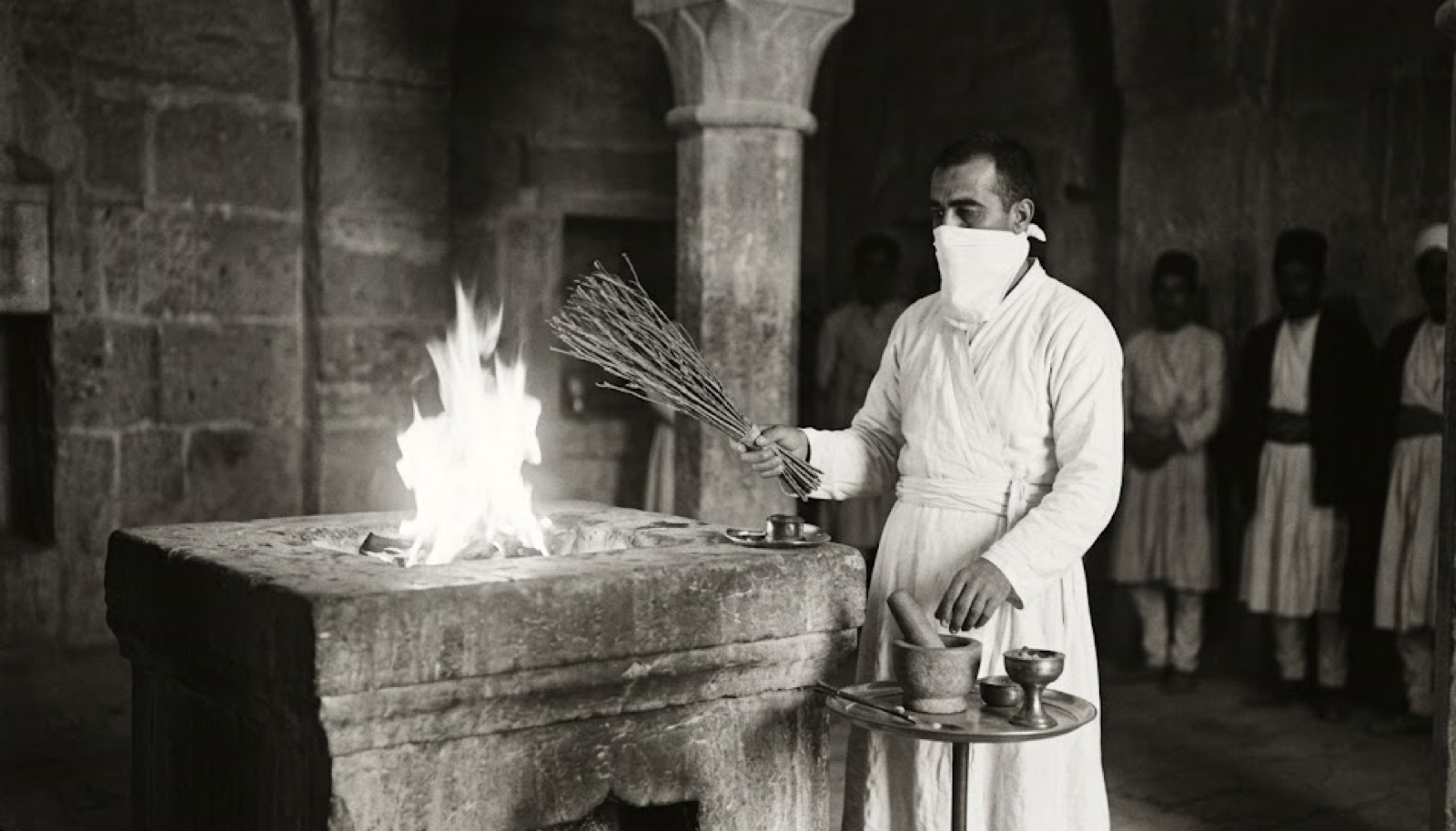
The Moubadān wear white robes - the color of light and Rāsti - and carry a barsom (برسم), a bundle of consecrated twigs used in ritual ceremony whose origins predate the written Mehr-Nāmeh. Their public ceremonies are conducted in classical Mehrāni - a formal register of the language preserved specifically for ritual use and distinct from contemporary spoken Mehrāni in vocabulary and grammatical structure.
Sacred Fire
The sacred fire, maintained without interruption in Mithraic temples since the earliest records of the faith, represents the continuity of Mehr’s covenant with the human community and the deliberate choice of Ignis Prime’s radiating nature over Umbra Magna’s consuming one. The fire is not worshipped as divine in itself but tended as a physical reminder of the covenant’s permanence and of the community’s ongoing orientation toward warmth rather than cold. The Mehrāvar temple fire is considered the most sacred in the federation - tradition holds that it has burned continuously since the temple’s founding approximately 2900 BCE, though the historical record confirms continuous maintenance only from approximately 800 BCE. Secondary sacred fires exist in Mithraic temples across the federation, each considered an extension of Mehrāvar’s flame.
The care of the sacred fire is the Moubadān’s most fundamental ritual obligation. The fire is fed with consecrated sandalwood and other fragrant woods at prescribed intervals, and its smoke - rising toward Ignis Prime - is understood as the community’s acknowledgment of the Peyahnd-e Mehr. Allowing the sacred fire to be extinguished, even accidentally, is considered a serious ritual failure requiring an extensive purification ceremony before it can be relit. The theological weight of an extinguished fire is significant - it is the community’s warmth momentarily aligned with Umbra Magna’s consuming cold rather than Ignis Prime’s radiating warmth.
Daily Practice
Individual Mithraic practice centers on the dawn prayer - the Mehr-Bāmadād (مهر بامداد, Morning Mehr) - recited at sunrise as an acknowledgment of Mehr’s covenant and a personal reaffirmation of the Peyahnd-e Mehr. The prayer is brief - seven verses drawn from the Mehr-Nāmeh - and is performed facing the rising Ignis Prime with the hands open and raised, palms upward in the gesture of receiving warmth. The maintenance of a small household fire or lamp during the night is customary in traditionally observant families, representing the continuity of the sacred flame at the domestic level and the deliberate maintenance of warmth against the darkness in which Umbra Magna’s gravitational influence on the surrounding starfield is most perceptible to careful observation.
The wearing of a sudreh (سدره) — a white inner garment symbolizing Rāsti and the Peyahnd-e Mehr — and a kushti (کشتی) — a woven cord tied around the waist in a prescribed manner — is a traditional practice for initiated Mithraic adults. The kushti is tied and untied during prayer as a physical enactment of the covenant's renewal.
Scripture
The Mehr-Nāmeh (مهرنامه, Book of Mehr) is the primary sacred text of Mithraism, a collection of hymns, theological reflections, ethical teachings, and cosmological accounts whose oldest sections date to approximately 2000 BCE. The text is divided into five principal sections: the Gāthā-ye Mehr (hymns of Mehr, the oldest and most theologically authoritative section), the Yasna-ye Āzar (liturgy of fire, governing ritual practice), the Vendidād-e Rāsti (law of truth, governing ethical conduct), the Yashts (hymns to subsidiary divine principles including the seasons, the rivers, and the dawn), and the Khordeh Mehr-Nāmeh (lesser Book of Mehr, a condensed version for lay use).
The Mehr-Nāmeh’s cosmological sections are among its most studied passages. The oldest portions of the Gāthā-ye Mehr contain what modern scholars have identified as observational descriptions of the circumbinary system - references to Ignis Prime as the source of warmth and light, and to an invisible companion whose presence was inferred from the gravitational distortion of the surrounding starfield rather than from direct observation. These passages describe with remarkable precision the phenomenon of gravitational lensing around an unseen mass, rendered in the theological and astronomical vocabulary available to the ancient Mehrāni. The Moubadān interpret these passages as evidence that the faith’s theological framework was not invented but read directly from the structure of the world itself - a cosmos that encoded the nature of both Mehr and Tārikī in its astronomical architecture.
The text exists in multiple recensions — the Mehrāvar Recension, maintained by the temple Moubadān as the authoritative version, and several regional recensions that vary in minor theological emphasis and in the inclusion or exclusion of certain Yasht hymns. The Moubad-e Moubadān's authority rests in part on custodianship of the Mehrāvar Recension, and disputes between regional Moubadān over textual interpretation are periodically referred to Mehrāvar for adjudication.
The Gāh-e Rāsti (گاه راستی, Hours of Truth) is a secondary text — a liturgical companion to the Mehr-Nāmeh containing the prayers, ritual formulas, and ceremonial instructions used by the Moubadān in their official capacity. Unlike the Mehr-Nāmeh, which is read by lay practitioners, the Gāh-e Rāsti is primarily a priestly text whose full contents are known only to initiated Moubadān.
History
Origins in Mehrāvar
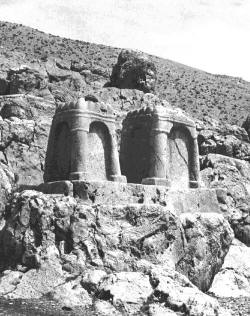
The earliest evidence of organized Mithraic practice is found in Mehrāvar, where archaeological excavations have uncovered the remains of a solar temple complex dated to approximately 2900 BCE, approximately a century after the founding of the city itself, suggesting that the faith’s organized institutional form emerged from an already established settlement. The proto-Mithraic tradition of this period was centered on astronomical observation - the tracking of Ignis Prime’s solstices, equinoxes, and the annual cycle of light and darkness, alongside the careful observation of gravitational lensing effects in the surrounding starfield that the ancient Mehrāni attributed to an invisible companion - and the maintenance of a perpetual sacred fire whose continuity represented the community’s ongoing orientation toward warmth rather than cold.
The earliest Mithraic texts — the Mehr-Nāmeh, whose oldest sections are estimated at approximately 2000 BCE — establish the core theological framework that has remained essentially unchanged across four millennia of practice. The cosmological passages of the oldest sections demonstrate that the ancient Mehrāni possessed sophisticated observational knowledge of their circumbinary system, interpreting both Ignis Prime's radiating warmth and Umbra Magna's inferred gravitational presence in theological terms that remain the foundation of Mithraic belief today.
Mehrāni Expansion and the Faith’s Spread
As the Mehrāni people expanded from their plateau homeland across the broader region over the following millennia, Mithraism traveled with them — carried by settlers, merchants, and administrators into territories whose existing religious traditions ranged from animist to polytheist to the early forms of Shahadism. The pattern of Mithraic expansion was never primarily coercive — the faith spread most effectively through the commercial and administrative networks the Mehrāni established, offering communities that adopted it access to the legal and commercial frameworks built around Mithraic ethical principles.
Communities fully assimilated into Mehrāni culture adopted Mithraism in its entirety, with their earlier religious practices surviving only as traces in festival customs and ritual forms. Communities that maintained cultural independence — most significantly the Arabi and Shushtari peoples — encountered Mithraism as a neighboring tradition rather than an imposed one, absorbing certain festival practices and ethical frameworks while retaining their own theological structures.
The Nourestan Period
For approximately 2,000 years before the Federal Compact, Mithraism served as the de facto state religion of Nourestan, with the Moubadān priesthood maintaining close institutional ties with the Nouri merchant-scholar class. The relationship was not a theocracy in the strict sense — the Nouri governed through law rather than divine mandate — but the Moubadān provided the moral and ceremonial framework within which Nourestan's legal tradition operated. The Farr concept was institutionally significant during this period — the expectation that legitimate rulers would demonstrate the radiant quality of Mehr's warmth in their governance provided the Moubadān with a means of assessing and, on occasion, challenging political authority on theological grounds.
The Federal Compact and Constitutional Secularism
The signing of the Peymān-e Mellī on 3 March 1878 represented the most significant political challenge the Moubadān had faced in their institutional history. The Compact's constitutional secularism — Article Two's guarantee of equal religious tolerance and the federal state's explicit maintenance of no opinion on religion — dismantled at a stroke the institutional relationship between Mithraism and Nourestan's governance that had sustained the Moubadān's political influence for two millennia.
The mainstream Moubadān recognized that the alternative to a secular federation was either Mithraic dominance — which would have prevented Dashtestan, Shushestan, and Azadestan-e Kuchak from signing — or no federation at all, which the Ymirian colonial threat made existentially dangerous. The sacred fire in Mehrāvar continued to burn. The festivals continued to be observed. What changed was the institutional relationship with political power.
The hardliner minority within the Moubadān — who would later organize under the banner of the Mehr-e Rāstān (مهر راستان, True Followers of Mehr) — argued that the Compact's secularism was a temporary accommodation to political necessity rather than a permanent theological settlement. Their influence within the Assembly has been limited — the Peymān-dārān's constitutionalist wing regards their position as a direct challenge to Article Two, and the Risheh-dārān's Plains Council, representing a largely Shahadist constituency, has no interest in a Mithraic state — but they constitute a persistent and occasionally vocal presence in Nourestan's provincial politics.
Festivals and Observances
Ruz-e Mehr - The spring equinox festival, the most significant celebration in the Mithraic calendar. The equinox marks the moment when the day’s light from Ignis Prime exactly equals the night’s darkness - the annual demonstration that Mehr’s covenant with the world is intact and the warmth will return. Celebrated over thirteen days with fire ceremonies, communal feasting, gift-giving, and the ritual cleaning of homes and sacred spaces. The festival has been widely adopted across ethnic and religious lines within Varahmehr, becoming the federation’s most genuinely cross-cultural celebration.
Shab-e Yalda - The winter solstice - the longest night of the year and therefore the moment of Tārikī's greatest apparent strength. Mithraic tradition holds that the community must remain awake through the longest night, keeping fires burning and gathering together, as both a symbolic resistance to Umbra Magna’s consuming nature and a demonstration of the faith’s confidence that Ignis Prime will return. The reading of the Mehr-Nāmeh and the Hafez Divan is customary.
Chaharshanbe Suri - The fire-jumping festival on the last Wednesday before the spring equinox. Participants leap over bonfires while reciting the traditional formula asking Mehr to take their paleness and give them warmth in return - a ritual understood as the physical enactment of the Peyahnd-e Mehr, the covenant of exchange between the human community and the divine warmth of Ignis Prime.
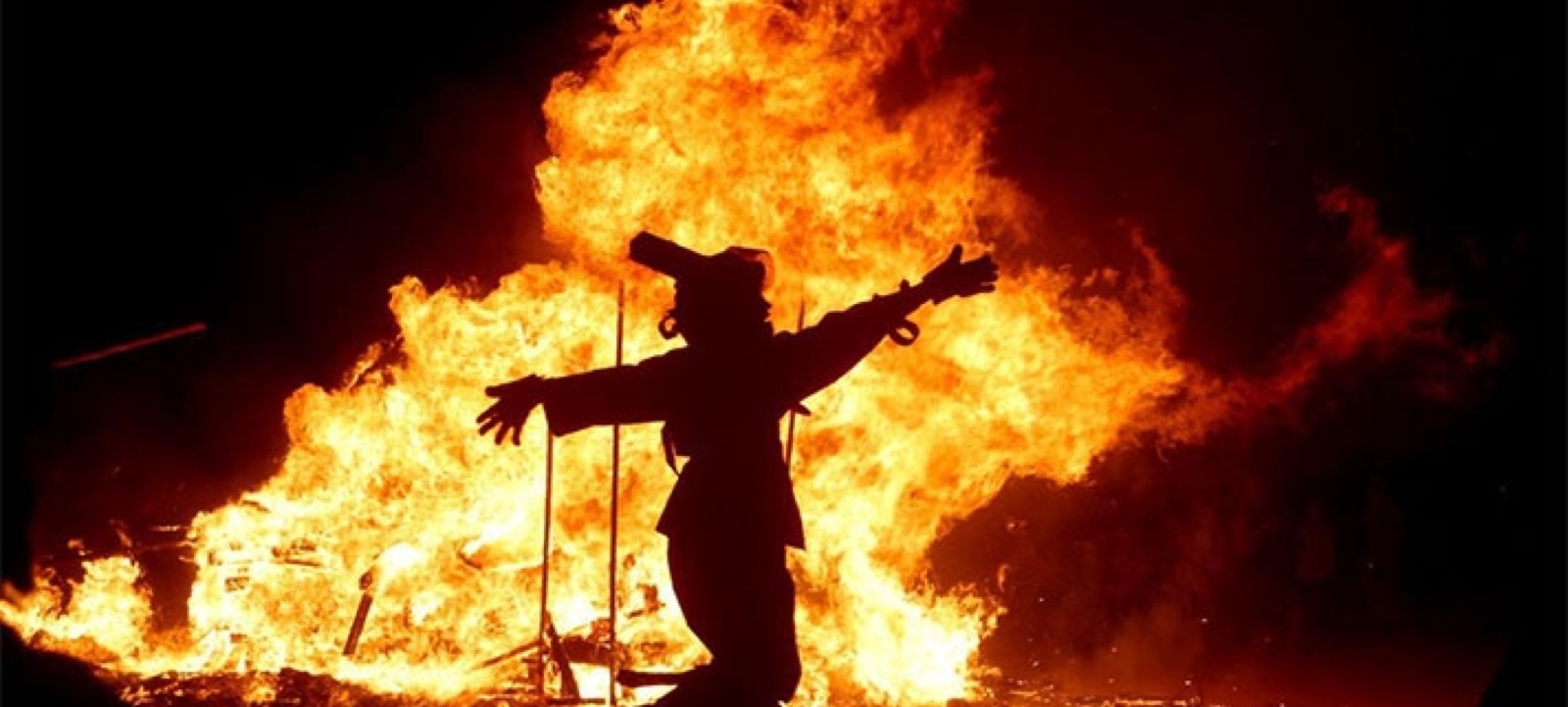
Jashn-e Āzar — The festival of fire, calibrated to the 44-day binary orbital cycle of the Ignis system rather than the solar year. It is observed at the point in Umbra Magna's orbital cycle when the black hole's gravitational influence is at its most prominent — the moment of closest binary approach, when Umbra Magna's gravitational lensing effects on the background starfield are at their most perceptible to careful observation on a clear night. The Moubadān perform the Āzarmehr ritual at this moment — a ceremony understood as the community's reaffirmation of Ignis Prime's radiating nature at the precise moment when Umbra Magna's consuming nature is most astronomically evident — and communities across the federation light bonfires in symbolic solidarity with the temple flame. The festival therefore occurs approximately eight times per solar year rather than once, though not all observances carry equal ritual weight — the Āzarmehr ceremony is performed by the Moubadān at each occurrence, but communal celebration at the level of Ruz-e Mehr or Shab-e Yalda is reserved for the occurrence that falls closest to the winter solstice, when Jashn-e Āzar and Tārikī's seasonal peak coincide.
Ruz-e Peymān — While primarily a federal civil holiday commemorating the Compact's signing, Ruz-e Peymān has acquired Mithraic religious significance for many practitioners — the Compact's covenant theology aligns closely enough with Mithraic Peyahnd-e Mehr that the two have become symbolically intertwined in popular practice, to the occasional discomfort of both the Moubadān's hardliner faction and the Compact's secular architects.
The Mithraic Calendar
The Mithraic calendar operates on two simultaneous cycles that the ancient Mehrāni observed and interpreted theologically. The primary cycle is Avium’s solar year - governing Ruz-e Mehr, Shab-e Yalda, Chaharshanbe Suri, and Ruz-e Peymān, all calibrated to Ignis Prime’s annual relationship with the planet. The secondary cycle is the 44-day binary orbital period of the Ignis system - governing Jashn-e Āzar’s recurring observances, calibrated to the perceptible gravitational lensing effects of Umbra Magna’s orbital cycle. The Moubadān teach that both cycles are theologically necessary: the solar year measures Mehr’s generosity across the seasons, while the binary cycle measures the regularity of Tārikī's presence as a cosmological fact to be acknowledged rather than feared. The ancient Mehrāni astronomical tradition that produced the cosmological passages of the Mehr-Nāmeh was built on the simultaneous observation of both cycles, and the Mithraic calendar reflects that dual observational heritage in its structure.
Demographics
Mithraism is practiced by approximately 58% of Varahmehr’s total population of 52,599,000 - 30,507,000 practitioners as of the 1929 Census. The faith is predominantly concentrated among the Mehrāni ethnic majority, who constitute 63% of the national population and among whom Mithraism is the overwhelming religious majority. Non-Mehrāni Mithraic practitioners exist in significant numbers in Ahanestan and Dashtestan, where centuries of Mehrāni settlement alongside Kuhi and Dashti communities have produced syncretic religious identities that blend Mithraic practice with Shahadist theological frameworks.
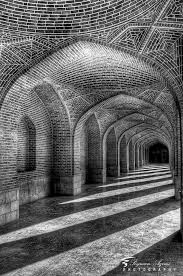
The geographic distribution of Mithraism broadly mirrors that of the Mehrāni population. Nourestan has the highest proportion of Mithraic practitioners at approximately 85% - the plateau homeland of the Mehrāni and the site of the faith’s founding city of Mehrāvar. Ahanestan follows at approximately 58%, reflecting the Mehrāni majority alongside a significant Kuhi Shahadist minority. Farzānestan’s academic community produces the highest concentration of self-described atheists and agnostics in the federation, yet even there Mithraism remains the plurality faith at approximately 55%.
Dashtestan presents the most complex demographic picture - the Mehrāni 48% and Dashti 40% near-parity means that Mithraism and Shahadism coexist at roughly equal strength across much of the province, with significant inter-faith festival participation blurring the boundaries between the two communities at the cultural level. Shushestan’s Shushtari and Arabi minorities produce the federation’s most religiously diverse ostān, where Mithraism, Hasmoneanism, and Shahadism maintain roughly proportional institutional presence, with no single tradition achieving dominance.
Relation to Other Religions and Cultures
The Compact’s constitutional secularism and equal religious tolerance have governed the official relationship between Mithraism and the federation’s other faith traditions since 1878. In practice, the relationships are more varied and historically layered.
The Shushtari Hasmonean community and the Mithraic majority share a covenant theology that has produced centuries of commercial and cultural cooperation - the Shushtari emphasis on covenant as the foundation of commercial relationships resonates closely with the Peyahnd-e Mehr. The two communities have historically maintained respectful theological distance while cooperating extensively in commercial and legal contexts, a relationship reflected in the disproportionate Shushtari presence in Nourabad’s legal and financial institutions.
The Arabi and Dashti Shahadist communities have historically maintained greater theological distance from Mithraism while participating in its festivals at the cultural level - Ruz-e Mehr is observed across religious lines in most of the federation’s urban centers. The theological differences between Mithraism and Shahadism are significant - the personal God of Shahadism and the impersonal divine force of Mithraism represent genuinely different understandings of the nature of the divine - but the two traditions share enough ethical common ground in their covenant frameworks to have coexisted without sustained conflict across centuries of proximity.
The Farzānestani atheist community engages with Mithraism primarily as a cultural and philosophical tradition rather than a theological one, finding the faith’s ethical framework and its astronomical cosmology compatible with secular scientific inquiry while declining its supernatural claims. The Mehr-Nāmeh’s ancient observational descriptions of the circumbinary system - including what modern scholars interpret as descriptions of gravitational lensing around an unseen mass - have attracted particular scholarly attention in Farzānestan’s academic institutions as evidence of sophisticated pre-modern astronomical knowledge. This body of research, the mainstream Moubadān regard with cautious appreciation, and the Mehr-e Rāstān regard with suspicion, concerned that secular scholarly engagement diminishes the texts’ sacred character.
The Mehr-e Rāstān’s ongoing campaign for state religion status represents the most significant source of inter-faith tension in the contemporary federation. Their argument - that Varahmehr’s cultural identity is so thoroughly shaped by Mithraic vocabulary, symbolism, and ethical frameworks that constitutional secularism represents a fiction rather than a fact - is one that most non-Mithraic communities regard with alarm regardless of its theological merits. The Āzādi-khāhān faction has been the most consistently vocal opponent of Mehr-e Rāstān’s position in the Assembly, invoking Azadestan-e Kuchak’s founding commitment to universal refuge as incompatible with any form of state religious preference.
Symbols
The primary symbol of Mithraism is the Farr-e Mehr (فر مهر, Glory of Mehr) - a winged solar disc whose wings represent Mehr’s reach across the sky and whose central disc represents Ignis Prime itself. The Farr-e Mehr appears on temple facades, Moubadān vestments, and ceremonial objects across the federation and is the most immediately recognizable visual identifier of the faith. The symbol’s directional orientation - wings extended outward and upward, away from the pendant streamers below - is interpreted by the Moubadān as the soul’s movement toward Ignis Prime’s warmth and away from Umbra Magna’s consuming cold, the Peyahnd-e Mehr made visible in a single image.
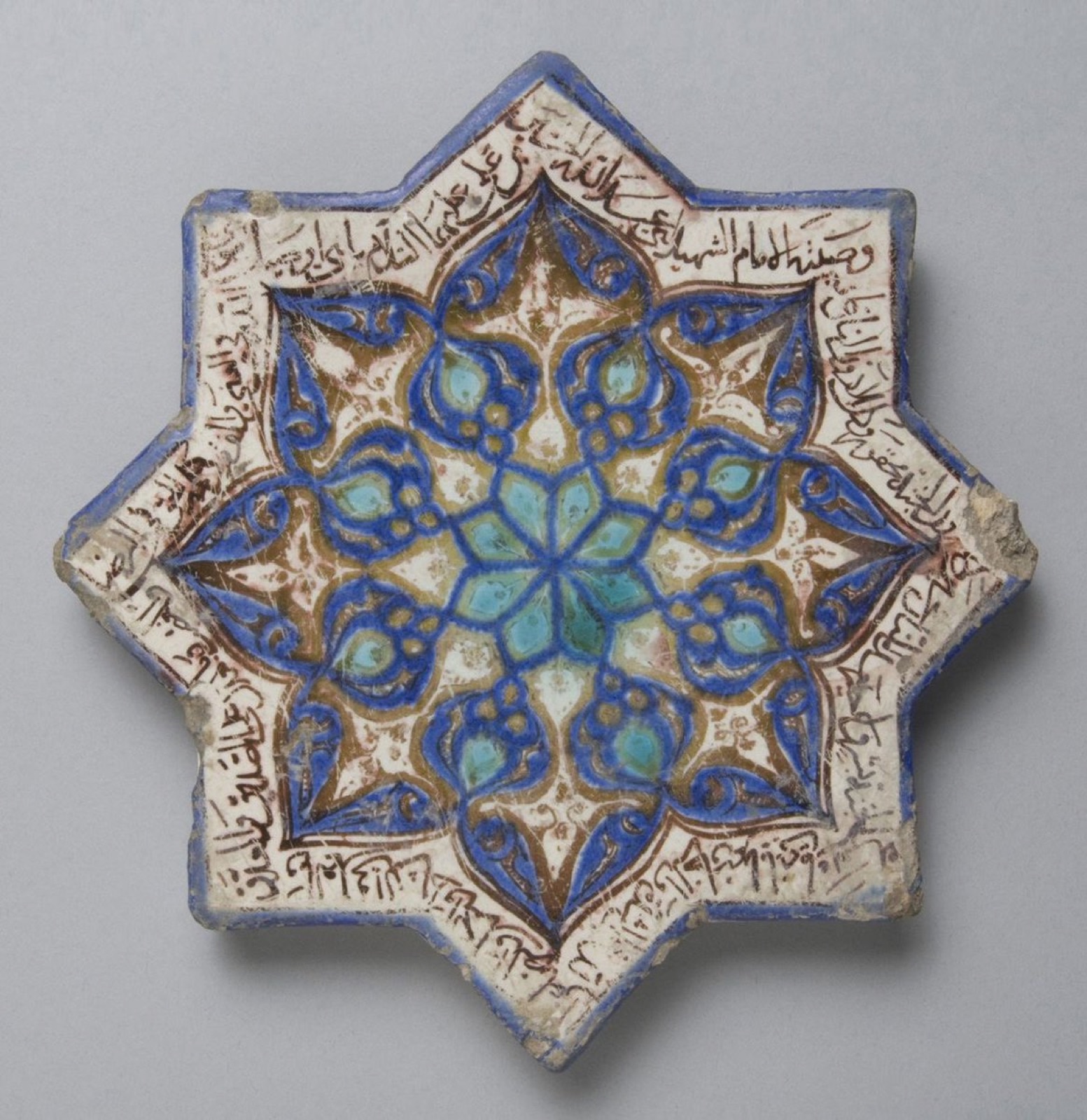
The Setāre-ye Mehr (ستاره مهر, Star of Mehr) - the eight-pointed star - functions as a secondary symbol, representing Ignis Prime’s rays extending in all eight directions and used extensively in decorative and architectural contexts. The Setāre-ye Mehr appears on the national flag, in carpet weaving patterns from the Nourestani highlands, and in the architectural tilework of Mithraic temples across the federation. Its prevalence in non-religious contexts reflects the degree to which Mithraic visual vocabulary has become embedded in broader Varahmehri cultural identity.
The sacred fire - represented in visual art as an upward flame on an altar - functions as a third symbol, appearing on the covers of Mehr-Nāmeh editions, on Moubadān ceremonial objects, and as architectural decoration on temple exteriors. Its upward orientation is understood as deliberate: fire rises toward Ignis Prime, away from the cold ground, toward warmth rather than consuming darkness.
The gold that characterizes Mithraic symbolism - the Farr-e Mehr, the Setāre-ye Mehr, the decorative vocabulary of temple architecture and carpet weaving - does not derive from Ignis Prime’s appearance overhead, which presents as white-blue at its observed luminosity, but from the earth beneath. The gold of Dashtestan’s grain fields at harvest, the limestone pale of Kuhband’s highlands, the sand and plateau soil of the Nourestani interior - these are the sources of Mithraism’s golden palette. The Moubadān teach that this is theologically consistent rather than incidental: Mehr’s covenant operates in both directions simultaneously, Ignis Prime giving light and warmth from above while the earth gives grain and gold from below. The Mehrāni are situated between two expressions of the same generosity. Therefore, it can be said that the gold in Varahmehr’s and Mithraic symbolism represents the warmth and abundance that Mehr provides rather than the physical light that Ignis Prime provides.