
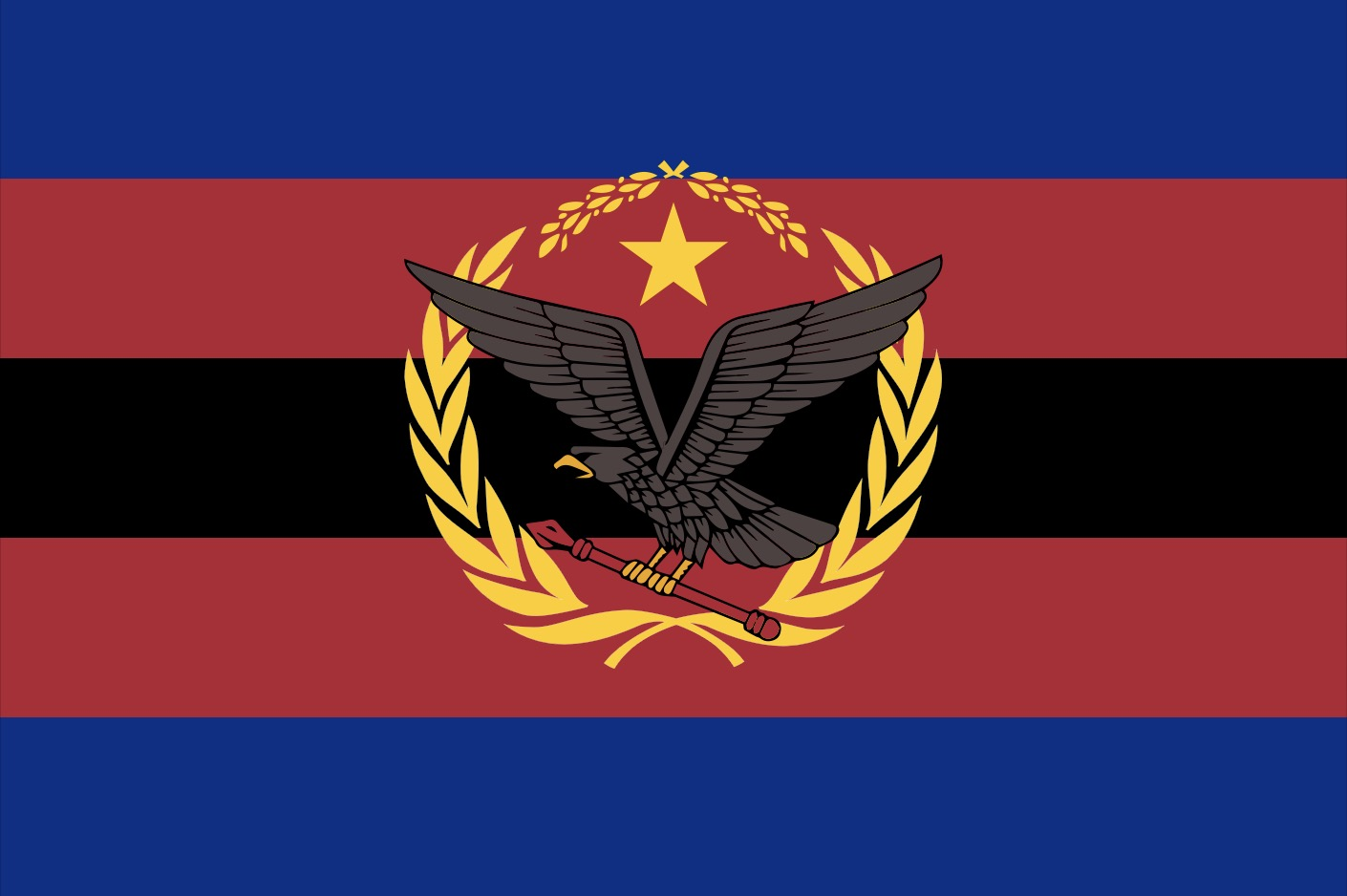
The Glorious Republic Armed Forces (Gloriosas Fuerzas Armadas de la República; GRAF) are the unified armed forces of the Glorious Republic of Auritania. They are composed of three independent branches: the Glorious Republic Army (Glorioso Ejército de la República), the Glorious Republic Air Force (Gloriosas Fuerzas Aéreas de la República), and the Glorious Republic Navy (Gloriosa Armanda de la República). The National Guard (Guardia Nacional) is the national gendarmerie of Auritania, while being responsible for law enforcement, it is controlled and administered by the Ministry of the Armed Forces, thus making it a branch of the military. The Glorious Leader and the Minister of the Armed Forces are the military’s Command-in-Chief.
The Glorious Armed Forces have their roots in the Army of Three Guarantees (Ejército de las Tres Garantías) in Western Auritania and the Army of the Commoners (Ejército de los Plebeyos) in Eastern Auritania, which was formed on 24 February 1821 and 7 August 1819 respectively — long before the establishment of the modern day Auritania — to meet the demands of the Auritanian War of Independence against Oestenia. After their triumph in the war, the two armies were disbanded, and the newly-created Auritanian Imperial Army (Ejército Imperial Auritano) replaced them, thus establishing the first military service branch of the country.
After the Auritanian Empire collapsed, the Auritanian Imperial Army was dissolved. In Anahuac, the Anahuacan Armed Forces (Fuerzas Armadas de Anáhuac) played an important political role after General Quíntin Rodríguez took power. While in Ignesia, the Military Forces of Ignesia (Fuerzas Militares de Ignesia) continued the Auritanian Army’s principals under President Bolívar Juan. After the Thousand Days War and the formation of the Auritine Confederation, the Anahuacan Armed Forces was disbanded and the Military Forces of Ignesia replaced it, becoming the Military Forces of the Confederation (Fuerzas Militares de la Confederación) which ceased to exist after the Auritanian Civil War, when it was replaced by the Auritanian Armed Forces (Fuerzas Armadas de Auritania) which continued to exist until the Auritanian Revolution.
At the beginning of the Auritanian Revolution, Fausto I. Maldonado established the Revolutionary Army (Ejército Revolucinario) as the revolutionary’s main fighting force. After the Auritanian Armed Forces collapsed, the Revolutionary Army replaced it. The Revolutionary Army suffered a long internal power struggle after Maldonado was assassinated, which only ended with Jaziel Cantù uniting the army in 1915. In 1922, the Revolutionary Army was reorganized and changed its name to the current official name.
By 1930, the GRAF had only participated in internal conflicts, such as the War on Drugs, with no plans of participating in international conflicts in the near future. The GRAF is also quite backwards in technology compared to the rest of the world, especially in the Air Force and Navy, but modernization efforts since the War on Drugs started is improving the situation.
Structure
Jaziel Cantù, the Glorious Leader, serves as Commander-in-Chief of the Glorious Republic Armed Forces, holding supreme constitutional authority over all respective military matters. Military authority ran from the Glorious Leader to the cabinet-level Minister of the Armed Forces, César Guerra. The Glorious Leader and the Minister of the Armed Forces are advised by the three service Commanders: Divisional General (General de Divisíon) Penélope Ortiz, Admiral (Almirante) Donato Quirino Sánchez, and Air Marshal (Mariscal del Aire) Ideal Segura. The Commanders function as chiefs of staff for their respective branches and hold the highest military rank in the GRAF. Only one officer per branch may hold the Commander designation at any given time. Each service branch operates under its respective Commander’s administrative control.
The GRAF operates through five regional Theater Commands, each led by an officer at the O-9 or higher pay grade. Theater Commands are broadly responsible for strategy, planning, operations, and policy within their designated regions. During wartime, theater commanders exercise direct operational control over all subordinate units within their area of responsibility. In peacetime, subordinate units maintain dual reporting structures to both their theater command and their respective service headquarters. The service branches retain administrative authority and are responsible for force development. The GRAF maintains five Theater Commands, presented in order of precedence:
The Northern Theater Command (MANOR), headquartered in Aguastermales and commanded by Air Marshal Ideal Segura, is responsible for the northwestern region. The MANOR manages Auritania’s longest land border with Gelnburg, utilizing the mountainous terrain of the Sierra Padre Oriental and the Sierra Padre Occidental for natural defense.
The Panthalassan Theater Command (MANPAN), headquartered in Santa Alejandra and commanded by Admiral Miguel Fonseca, is responsible for the coastal region of the Western Panthalassan Ocean and the Anahuacan Bay. The MANPAN oversees naval operations in the Anahuacan Bay and manages coastal defense installations along the western seaboard. The MANPAN is also known for conducting naval exercises in the Mictmetzān Lake.
The Eastern Theater Command (MANORI), headquartered in Botai and commanded by Brigadier General Dámian Íñigo Vigo, is responsible for the defense of Eastern Auritania, including the northeastern region and the coastal region of the Sea of Auritania. The MANORI manages the border with Hollosend through extensive fortification networks in the Tél Salor, the Cordillera Oriental and the Llanos, and coastal defense installations along the eastern seaboard.
The Western Theater Command (MANOES), headquartered in Auritania City and commanded by Divisional General Penélope Ortiz, is responsible for the defense of Western Auritania and the capital city, Auritania City. The MANOES serves as the nation's strategic military reserve and is primarily tasked with protecting the nation's economic core. The MANOES is also responsible for developing Auritania’s special forces and is known for cooperating with the Ministry of National Security.
The Southern Theater Command (MANSUR), headquartered in Santiago and commanded by Air Vice-Marshal Fabiana Gerhadt, is responsible for the southern region and the border with Terra Oeste through fortification networks in the Bay Coastal Highlands, the Southwestern Lowlands, and the Gargarea Rainforest.
Ranks
| Pay Grade | Glorious Army | Glorious Navy | Glorious Air Force |
|---|---|---|---|
| O-10 | 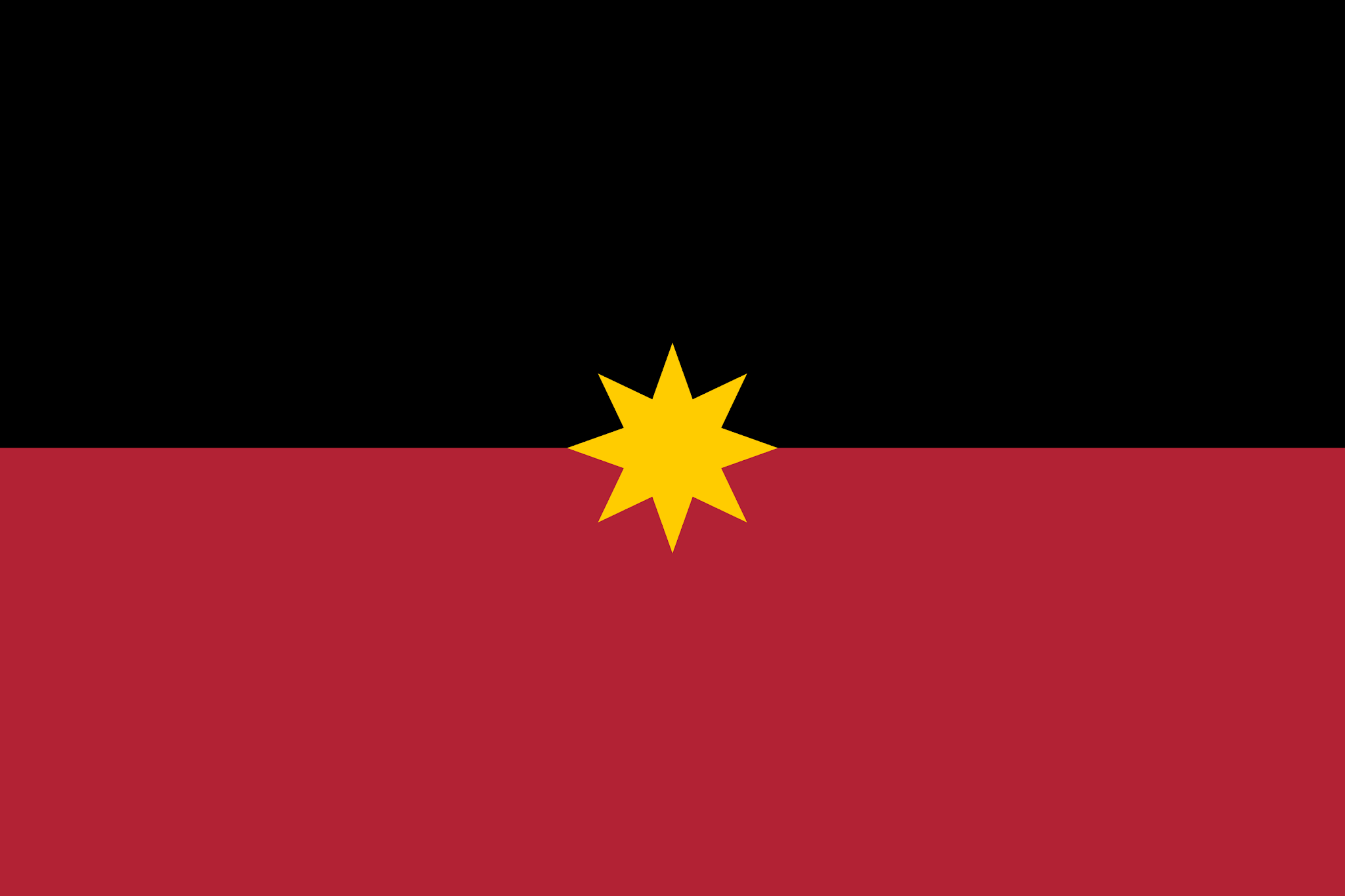 General de Divisíon Divisional General | 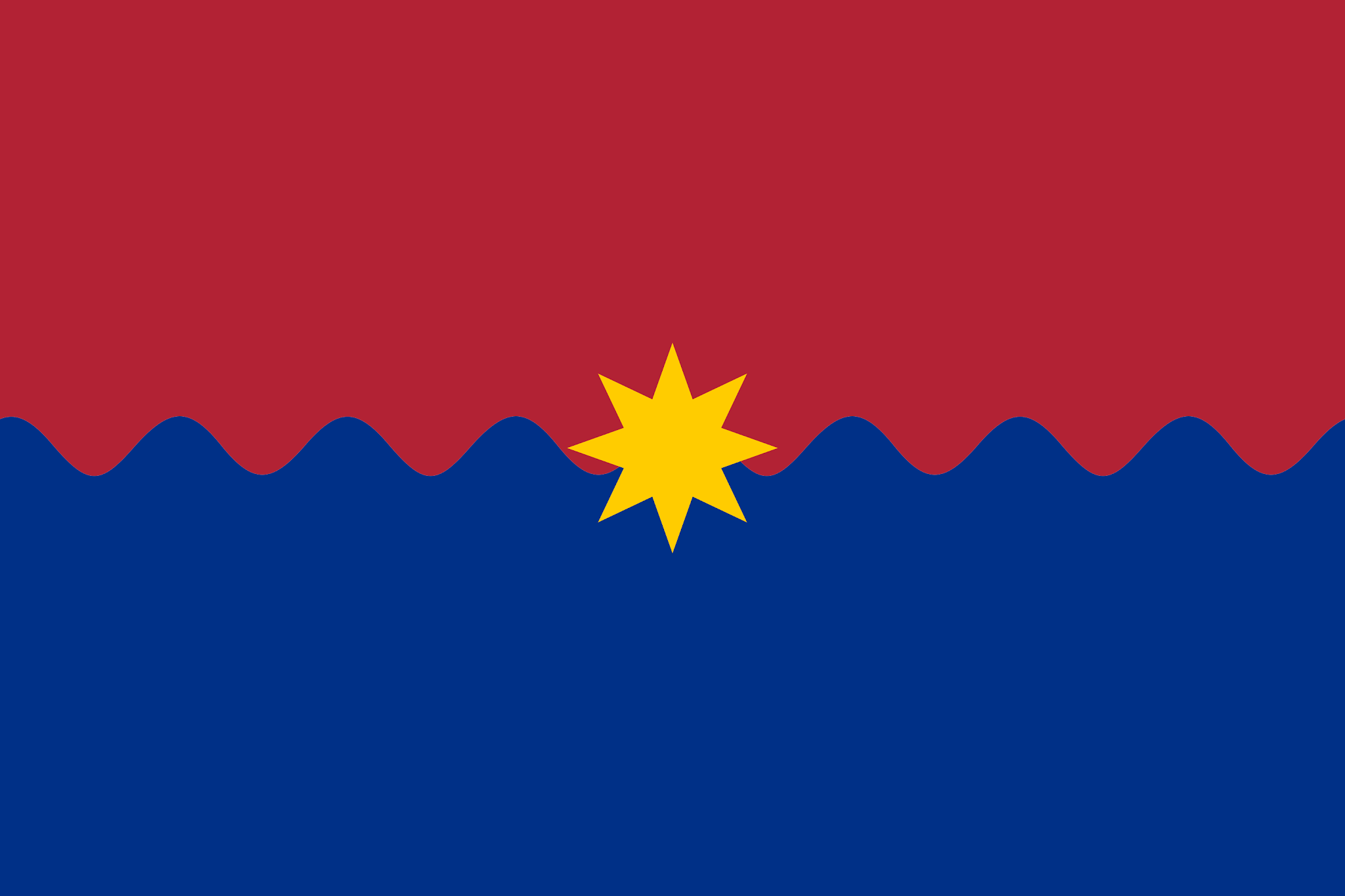 Almirante Admiral |  Mariscal del Aire Air Marshal |
| O-9 | General de Brigada Brigadier General | Vicealmirante Vice Admiral | Vicemariscal del Aire Air Vice-Marshal |
| O-8 | Teniente de Brigada Brigadier Lieutenant | Contraalmirante Counter Admiral | Comodoro del Aire Air Commodore |
| O-7 | Coronel Colonel | Capitán de Navío Captain of the Navy | Capitán de Grupo Group Captain |
| O-6 | Teniente Coronel Lieutenant Colonel | Capítan de Fragata Frigate Captain | Commandante de Ala Wing Commander |
| O-5 | Mayor Major | Capitán de Corbeta Corvette Captain | Líder de Escuadrón Squadron Leader |
| O-4 | Capitán Mayor Senior Captain | Teniente de Navío Lieutenant Commander | Capitán Captain |
| O-3 | Capitán Captain | Teniente de Fragata Frigate Lieutenant | Teniente de Aviación Flight Lieutenant |
| O-2 | Teniente Lieutenant | Teniente de Corbeta Corvette Lieutenant | Oficial de Aviación Flying Officer |
| O-1 | Subteniente Sub-Lieutenant | Guardiamarina Gardes de la Marine | Oficial Piloto Pilot Officer |
| E-7 | Sargento Mayor Sergeant Major | Suboficial Jefe Chief Petty Officer | Sargento de Vuelo Flight Sergeant |
| E-6 | Sargento Primero First Sergeant | Suboficial Primero Petty Officer First Class | Sargento Primero First Sergeant |
| E-5 | Sargento Segundo Second Sergeant | Suboficial Segundo Petty Officer Second Class | Sargento Segundo Second Sergeant |
| E-4 | Cabo Primero First Corporal | Suboficial Tercero Petty Officer Third Class | Cabo Primero First Corporal |
| E-3 | Cabo Segundo Second Corporal | Marinero de Primera Leading Seaman | Cabo Segundo Second Corporal |
| E-2 | Especialista Specialist | Marinero Cualificado Able Seaman | Especialista de Aire Air Specialist |
| E-1 | Soldado Private | Marinero Seaman | Aviador Airman |
Statistics
Ground Forces
| Category | Type | Count | ||
|---|---|---|---|---|
| Outdated | Modern | Advanced | ||
| Infantry | Fit-for-Service | 50,000,000 | ||
| Active Personnel | 2,100,000 | |||
| Reserve Personnel | 700,000 | |||
| Paramilitary | 672,000 | |||
| Armor | Cavalry | 29,305 | ||
| Armored Cars | 2,223 | 794 | 159 | |
| Tankettes | 39 | 10 | 3 | |
| Light Tanks | 160 | 40 | 0 | |
| Medium Tanks | 0 | 0 | 0 | |
| Heavy Tanks | 0 | 0 | 0 | |
| Artillery | Field Guns | 443 | 258 | 37 |
| Heavy/Siege Artillery | 468 | 167 | 33 | |
| Anti-Aircraft Guns | 899 | 240 | 60 | |
| Anti-Tank Guns | 54 | 14 | 4 | |
| Mortars | 2,696 | 2,426 | 270 | |
| Support | Vehicles | 20,273 | ||
| Engineers | 61,210 | |||
| Signal Corps | 31,592 | |||
Naval Forces
| Category | Type | Count | ||
|---|---|---|---|---|
| Outdated | Modern | Advanced | ||
| Capital Ships | Battleships | 2 | 0 | 0 |
| Light Cruisers | 0 | 0 | 0 | |
| Heavy Cruisers | 0 | 0 | 0 | |
| Battlecruisers | 0 | 0 | 0 | |
| Carriers | Fleet Carriers | 0 | 0 | 0 |
| Light/Escort Carriers | 0 | 0 | 0 | |
| Smaller Vessels | Destroyers | 19 | 6 | 0 |
| Torpedo Boats | 16 | 7 | 0 | |
| Submarines | 48 | 12 | 0 | |
| Gunboats | 31 | 13 | 0 | |
| Support | Transports | 60 | ||
| Logistics Vessels | 86 | |||
Air Forces
| Category | Type | Count | ||
|---|---|---|---|---|
| Outdated | Modern | Advanced | ||
| Fighters | Biplane Fighters | 67 | 0 | 0 |
| Monoplane Fighters | 0 | 66 | 0 | |
| Bombers | Tactical Bombers | 0 | 0 | 0 |
| Strategic Bombers | 0 | 0 | 0 | |
| Attack Aircraft | 145 | 36 | 0 | |
| Support | Recon Aircraft | 71 | 18 | 0 |
| Transports | 281 | |||